Business · World News Bureau
Bangladesh's US Military Purchases Fail to Boost Exports
Despite significant defense equipment acquisitions from the United States, Bangladesh has struggled to translate military modernization into enhanced export competitiveness. Analysts attribute the disconnect to structural economic challenges beyond defense procurement.
LSN World News ·
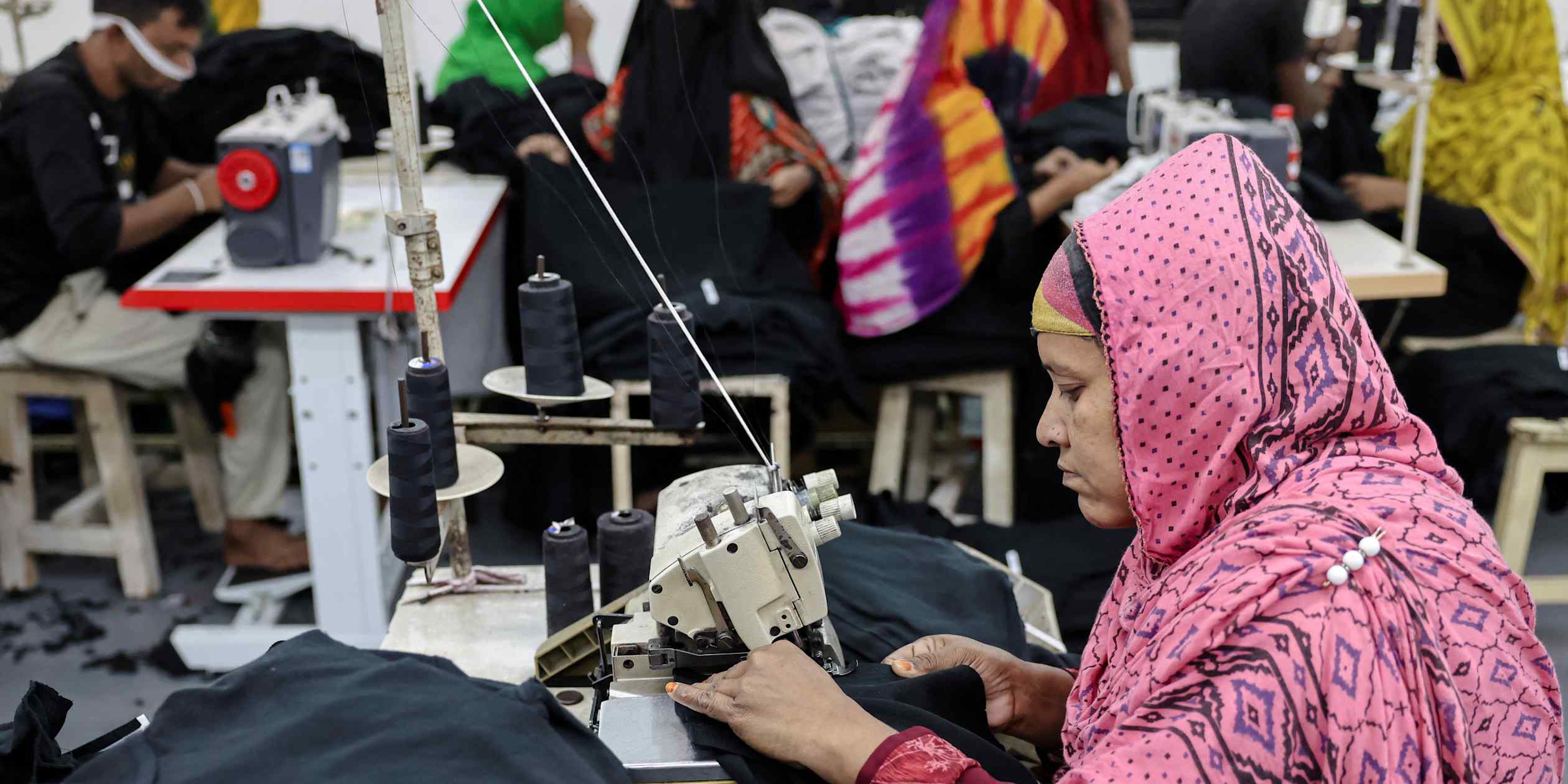
Bangladesh's substantial investments in American military hardware and defense technology have not delivered anticipated benefits to the nation's export sector, raising questions about the economic rationale behind the costly purchases.
The South Asian nation has committed considerable resources to acquiring US defense systems and equipment over recent years as part of military modernization efforts. However, government trade data and economic indicators show limited spillover effects into manufacturing exports or industrial development, contrary to some policymakers' expectations.
Economists point to structural impediments in Bangladesh's economy that prevent defense spending from translating into broader commercial advantages. These include limited domestic defense-industrial capacity, dependence on imported components, and the absence of significant technology transfer agreements that could strengthen civilian manufacturing sectors.
The purchasing pattern reflects geopolitical realignment in South Asia and growing defense partnerships with Washington. Yet observers suggest that without comprehensive industrial policy reforms and targeted investment in domestic manufacturing capabilities, military procurement alone cannot serve as an effective engine for export growth.
Bangladesh's experience underscores a broader challenge facing developing economies: converting security expenditures into sustainable competitive advantages in global markets requires integration with civilian economic strategy, not merely acquisition of military platforms.