World · Bangladesh Bureau
Bangladesh seeks path out of middle-income economic stagnation
Policymakers in Bangladesh face mounting pressure to break free from structural constraints that have begun to slow the nation's previously robust economic expansion. Experts warn that without significant reforms, the country risks prolonging its middle-income status.
LSN Bangladesh ·
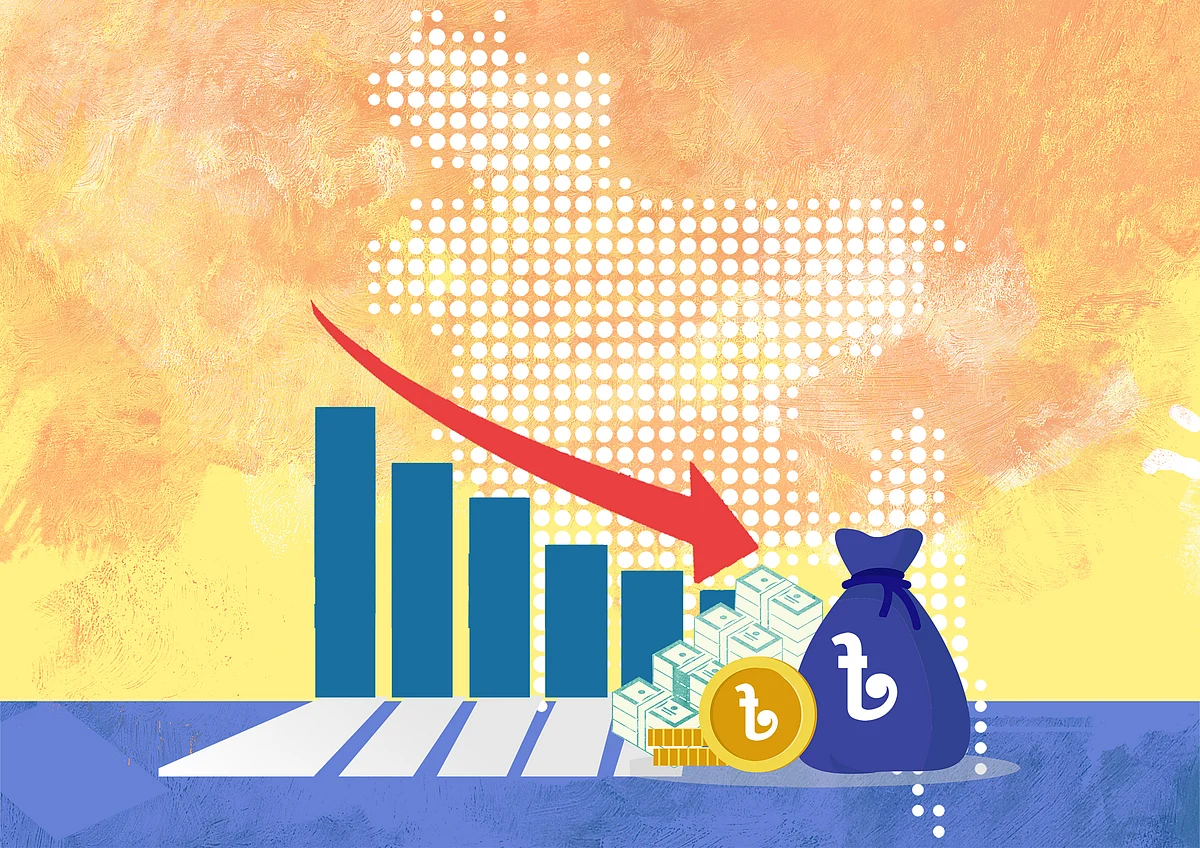
Bangladesh's economy has reached an inflection point where traditional growth drivers are losing momentum, presenting both urgent challenges and opportunities for policymakers. The country's textile and garment sectors, which have powered decades of expansion, face increasing pressure from automation, rising labor costs, and shifting global supply chains. Manufacturing productivity gains have plateaued in many industries, while foreign direct investment flows have become less reliable than in previous decades.
The nation's labor force, once a competitive advantage, is becoming costlier relative to competitors in Southeast Asia and beyond. Simultaneously, infrastructure bottlenecks—from port congestion to electricity shortages—continue to constrain export competitiveness and domestic industrial capacity. Energy security remains a persistent concern, with the country dependent on volatile global fuel markets.
Economic analysts point to several reform imperatives for sustained advancement. Diversification beyond garments into higher-value manufacturing sectors, coupled with investment in skills development and technology adoption, remains essential. Financial sector deepening, improved governance, and enhanced institutional capacity are equally critical to attracting quality foreign investment and supporting private-sector innovation.
Government officials acknowledge the structural headwinds but emphasize ongoing efforts to upgrade infrastructure, simplify business regulations, and foster new export industries. The window for transformation remains open, but momentum must be maintained through consistent policy implementation and sustained investment in human capital and productive capacity.