World · India Bureau
Bangladesh sentiment toward India shows signs of cooling again
Political and social indicators in Bangladesh suggest a renewed period of anti-India sentiment, echoing patterns seen in previous years. The shift reflects broader regional dynamics and domestic political considerations.
LSN India ·
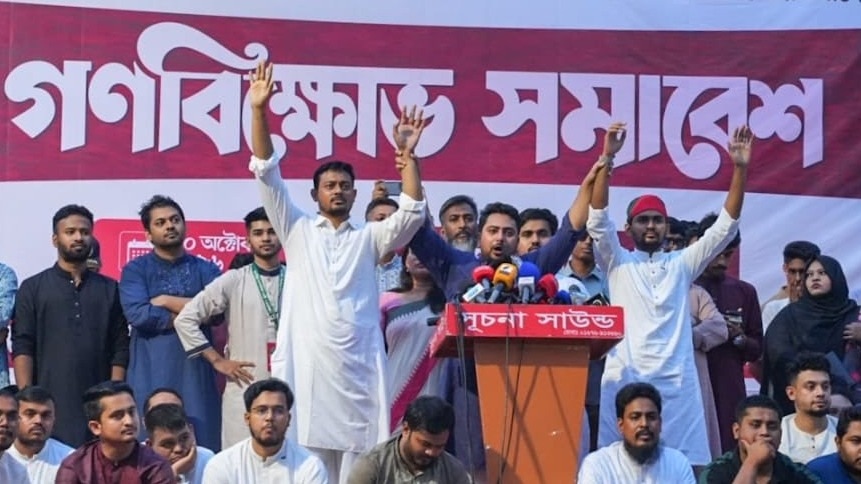
Bangladesh appears to be entering another cycle of strained relations with India, marked by rising public criticism and political posturing that mirrors historical patterns of friction between the two nations. Recent developments across multiple sectors—from trade disputes to border issues and cultural matters—have contributed to a perceptible shift in public discourse, with India increasingly becoming a focal point for domestic political narratives.
The cooling of Bangladesh-India ties reflects both structural tensions and opportunistic political messaging. Opposition voices and sections of civil society have amplified criticism on longstanding issues including water-sharing agreements, trade imbalances, and alleged Indian interference in internal affairs. Media coverage and social media discourse have amplified these grievances, creating an environment where anti-India rhetoric finds receptive audiences among segments of the population.
Historically, Bangladesh has experienced alternating periods of warmer and cooler relations with India, often correlating with domestic political changes and regional developments. The current phase suggests these cyclical patterns remain operative, with domestic political actors leveraging anti-India sentiment to consolidate support or challenge incumbent authorities.
Regional observers note that such phases typically persist until either bilateral diplomatic interventions ease tensions or domestic political circumstances shift focus. The trajectory of Bangladesh-India relations will likely depend on both governments' willingness to address substantive grievances and manage public sentiment constructively, while managing expectations in an increasingly complex South Asian security environment.