World · Bangladesh Bureau
Bangladesh shipbreaking sector faces scrutiny over safety and environmental concerns
Regulatory concessions granted to the shipbreaking industry in Bangladesh are raising alarm among environmental and labour rights advocates, who warn that shortcuts may endanger workers and coastal ecosystems.
LSN Bangladesh ·
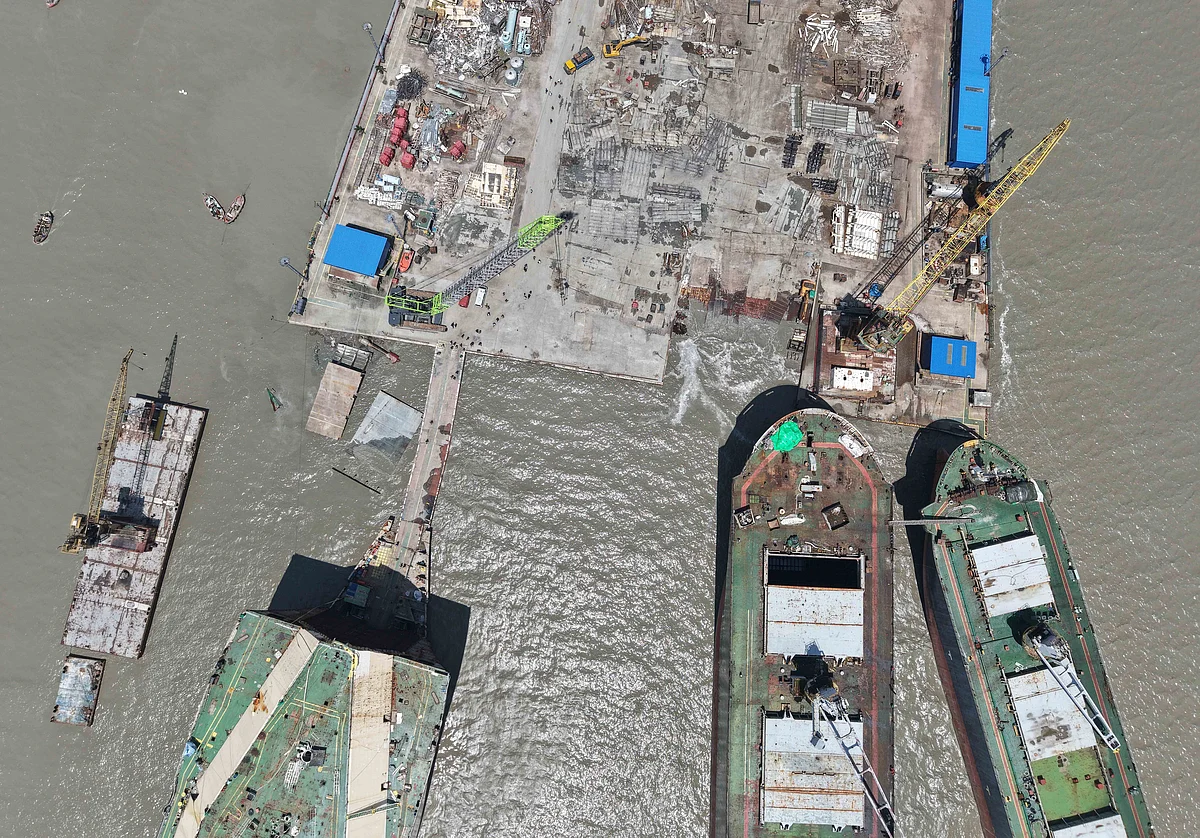
The shipbreaking sector, a major employer and foreign currency earner for Bangladesh, has long operated under intense pressure to maintain competitiveness in global markets. However, recent policy relaxations have prompted concerns from civil society organisations and international observers that safety standards and environmental protections may be compromised in pursuit of economic gains.
The industry, concentrated primarily in Chittagong and Khulna, employs tens of thousands of workers who dismantle end-of-life vessels to recover recyclable materials. Workers face exposure to hazardous substances including asbestos, heavy metals, and toxic paints during the breaking process. Environmental groups have documented contamination of coastal waters and soil from ship-breaking operations, affecting local fishing communities and agricultural areas.
Critics argue that relaxed enforcement of existing regulations and exemptions from certain compliance requirements create a race to the bottom, where shipbreakers who cut corners gain competitive advantage over responsible operators. This dynamic, they contend, undermines efforts to establish safer working conditions and more sustainable practices across the sector.
Industry representatives maintain that stringent regulations risk driving business to countries with even weaker protections, ultimately harming Bangladeshi workers and the economy. Nevertheless, pressure continues from international buyers, environmental organisations, and worker advocates for Bangladesh to strengthen rather than weaken its shipbreaking standards, aligning with international best practices for worker safety and environmental stewardship.