World · Bangladesh Bureau
Bangladesh struggles to match renewable energy ambitions with grid capacity
Bangladesh has set ambitious targets for renewable energy expansion, but infrastructure limitations and grid integration challenges are hampering progress toward meeting those goals. Experts warn that without upgrades to the national electricity network, the country risks falling short of its clean energy objectives.
LSN Bangladesh ·
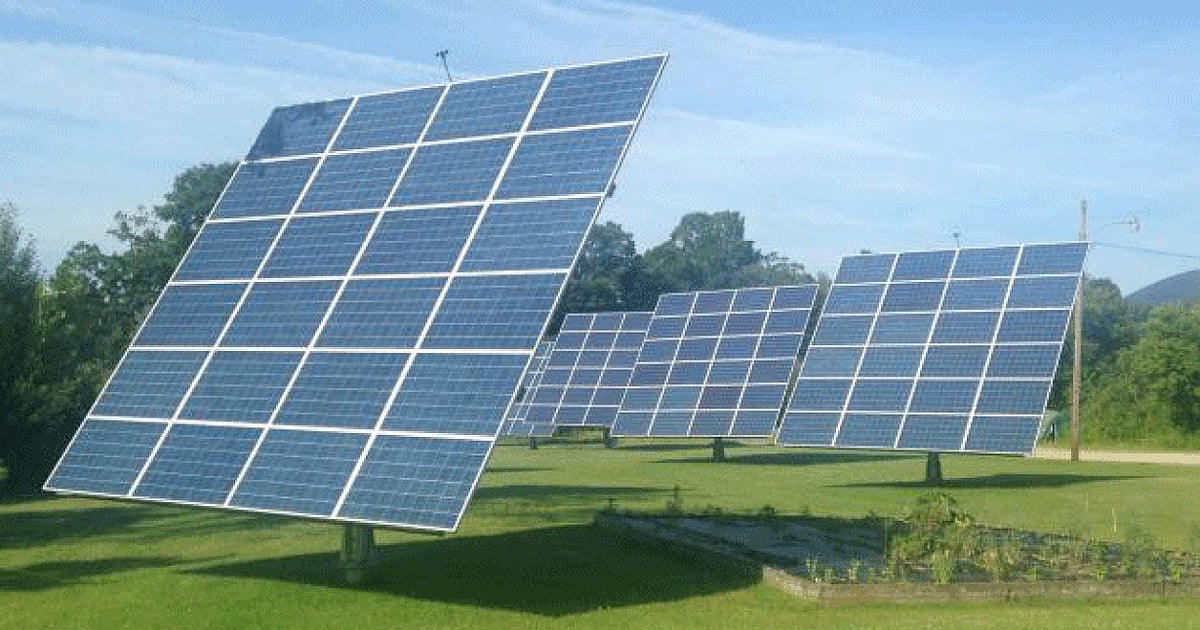
Bangladesh has committed to increasing renewable energy capacity as part of its efforts to meet growing electricity demand and reduce carbon emissions. The government has outlined plans to significantly expand solar, wind, and other clean energy sources over the coming years. However, the pace of implementation has lagged behind initial projections, with grid infrastructure emerging as a critical bottleneck.
The national power grid, which distributes electricity across the country, was not originally designed to handle the variable nature of renewable energy sources. Solar and wind power generation fluctuates based on weather conditions and time of day, requiring sophisticated systems to balance supply and demand. Current grid infrastructure lacks the necessary automation, storage capacity, and transmission lines needed to efficiently integrate large volumes of intermittent renewable energy.
Gridco, Bangladesh's grid operator, has begun undertaking modernization initiatives to improve its capacity to manage renewable energy integration. These efforts include deploying advanced monitoring systems, upgrading transmission infrastructure, and exploring energy storage solutions. However, analysts note that these upgrades require substantial capital investment and technical expertise that may take time to fully implement across the country.
Additional challenges include land availability for large-scale solar and wind projects, financing constraints, and the need for skilled personnel to maintain new renewable energy facilities. Bangladesh's renewable energy sector, while growing, continues to represent a relatively small portion of the nation's total electricity generation, with natural gas and coal remaining dominant sources. Industry observers suggest that achieving Bangladesh's renewable targets will require coordinated efforts across grid modernization, policy support, and private sector investment in the coming years.