World · Bangladesh Bureau
Bangladesh struggles to secure sufficient LNG supplies through tender process
Bangladesh faces persistent energy challenges as recent liquefied natural gas procurement tenders fail to attract adequate bids, intensifying the nation's ongoing gas crisis. The shortfall threatens to worsen power generation and industrial operations across the country.
LSN Bangladesh ·
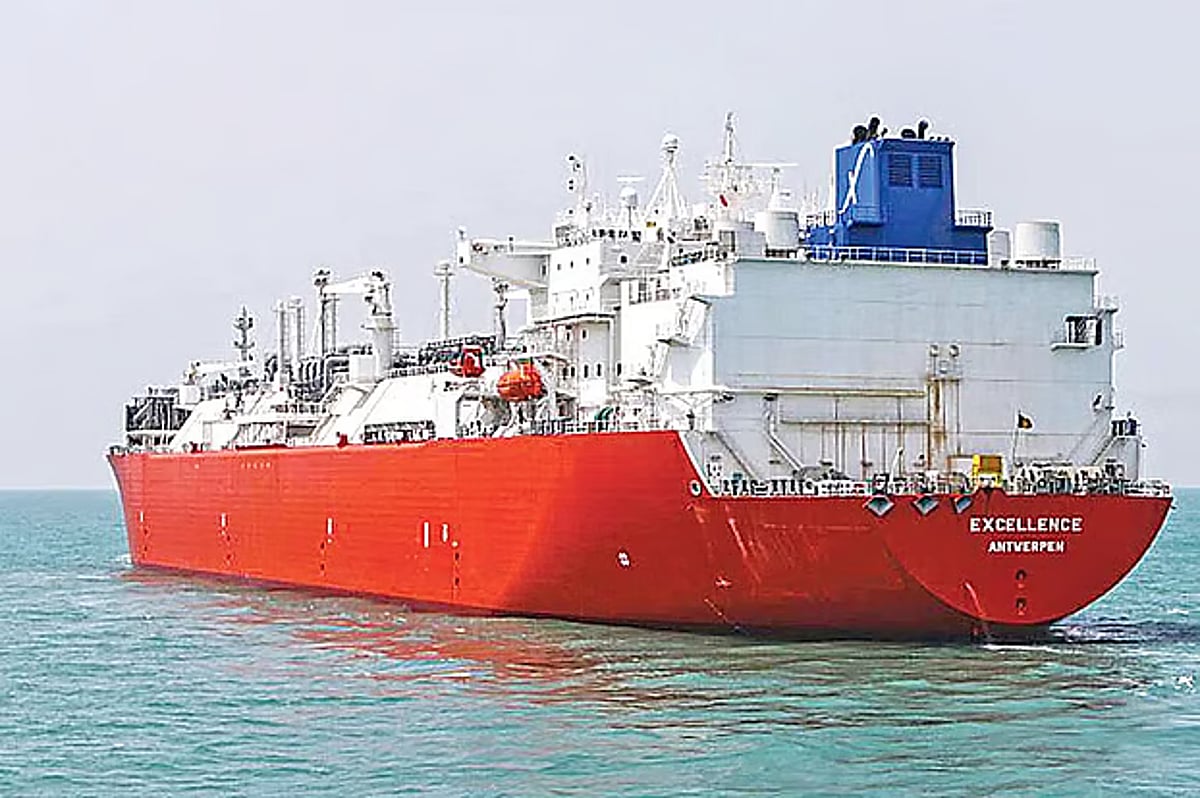
Bangladesh's efforts to secure liquefied natural gas (LNG) supplies have encountered significant obstacles, with recent tender processes failing to procure sufficient quantities needed to address the country's deepening energy shortage. The inability to secure adequate LNG through competitive bidding has left policymakers concerned about meeting the nation's growing demand for natural gas across power generation, fertilizer production, and other critical sectors.
The tender shortfalls come amid an already strained energy landscape in Bangladesh, where traditional natural gas production from domestic fields has declined, forcing increased reliance on imported LNG to bridge the supply gap. Industry observers attribute the disappointing tender results to various factors, including international market volatility, pricing concerns, and limited availability of LNG cargoes in global markets.
The gas crisis has ripple effects across Bangladesh's economy, impacting industrial competitiveness and power supply stability. Manufacturing facilities dependent on natural gas have faced production constraints, while power generation utilities struggle to maintain consistent electricity output to meet growing domestic demand.
Government energy officials are reportedly exploring alternative procurement strategies to address the LNG shortfall, including direct negotiations with international suppliers and potential long-term supply agreements. Policymakers have emphasized the need for expedited solutions to prevent further deterioration of the country's energy security and economic productivity.