World · Bangladesh Bureau
Bangladeshi households turn to alternative cooking fuels amid gas shortages
As natural gas supply remains constrained across Bangladesh, a growing number of households are shifting toward alternative cooking methods to meet their daily energy needs. The trend reflects broader energy security challenges facing the nation's residential sector.
LSN Bangladesh ·
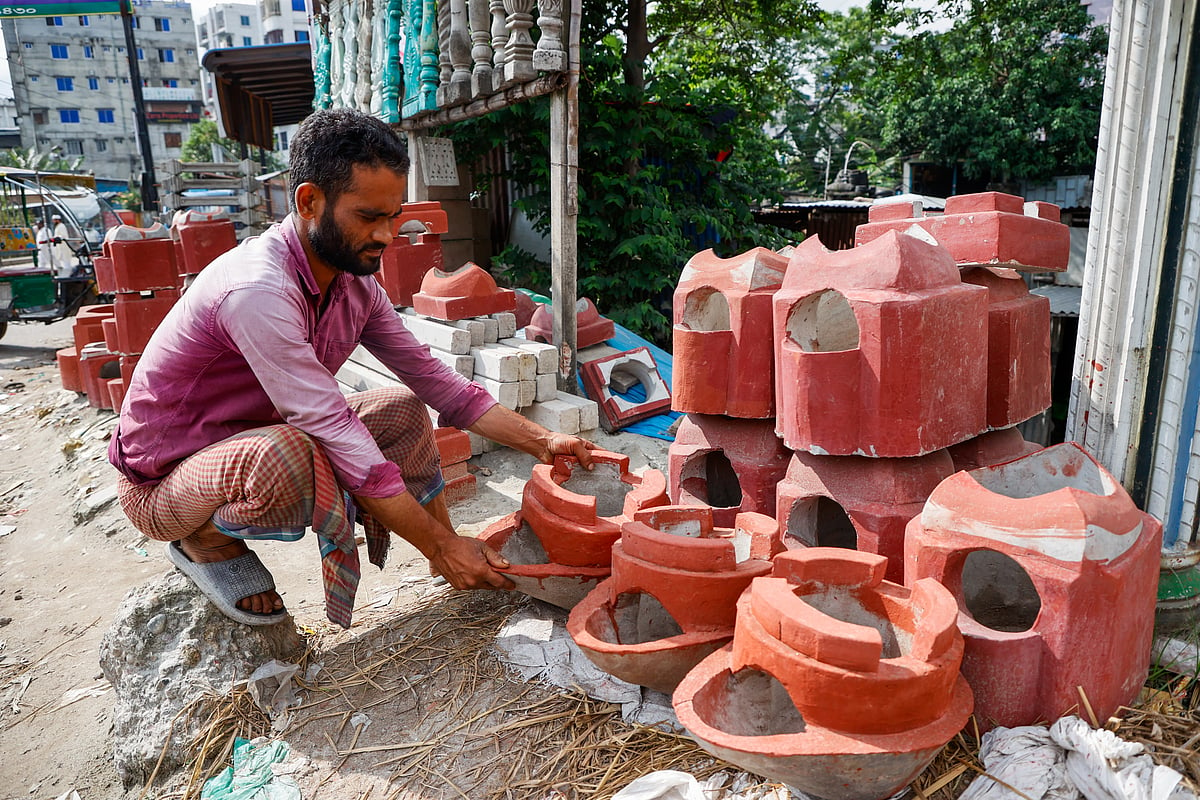
Bangladesh is experiencing a notable shift in household cooking practices as persistent natural gas shortages push residents toward alternative fuel sources. With supply constraints affecting residential connections, families are increasingly adopting alternative stove technologies to maintain their cooking capacity during periods of gas rationing and supply disruptions.
The reliance on alternative cooking methods underscores the vulnerability of Bangladesh's energy infrastructure, which has struggled to keep pace with growing demand. Natural gas, which has long served as the primary cooking fuel for urban and semi-urban households, now faces significant supply limitations that force consumers to seek supplementary heating solutions.
Alternative fuels being adopted include liquefied petroleum gas (LPG), biogas, and biomass-based cooking solutions. These options offer households greater flexibility during gas shortages, though they come with their own operational costs and logistical challenges. The shift also reflects broader concerns about energy security and the need for diversified fuel sources across the country.
The gas crisis has prompted both government and private sector stakeholders to explore longer-term solutions for energy supply stability. However, in the interim, households continue adapting to supply uncertainties by investing in alternative cooking infrastructure. Analysts suggest that sustained gas supply issues may lead to permanent changes in household energy consumption patterns across Bangladesh.