World · India Bureau
Barabanki: From Sufi Shrine to Electoral Bellwether
Uttar Pradesh's Barabanki district has evolved from a centre of Sufi mysticism into a significant political constituency. The region's rich historical tapestry and electoral importance have shaped its identity in modern India.
LSN India ·
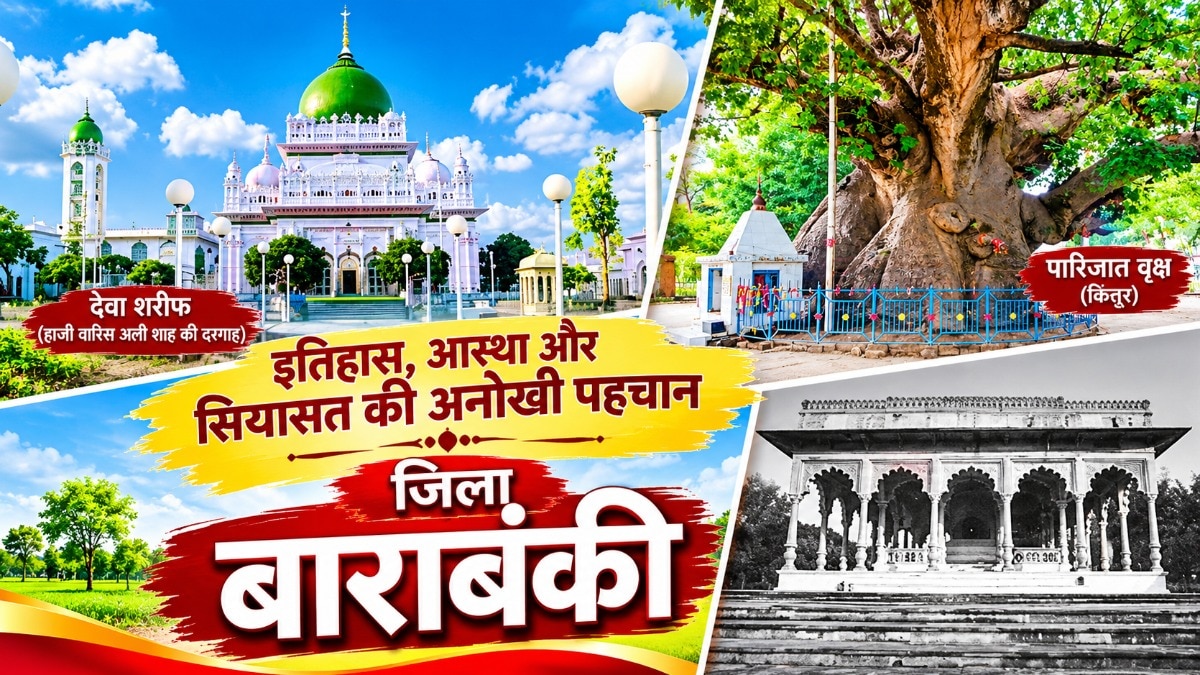
Barabanki, located in central Uttar Pradesh, carries layers of historical significance that extend from medieval times to contemporary Indian politics. The district is perhaps best known as home to the Deva Sharif shrine, a revered Sufi sanctuary that has attracted devotees and pilgrims across religious boundaries for centuries. This spiritual heritage established Barabanki as an important cultural and religious hub in the region.
Beyond its religious significance, Barabanki has emerged as a notable player in India's electoral landscape. The district's political dynamics reflect broader trends in state and national elections, with constituencies attracting considerable attention during campaign cycles. Electoral contests in the region have frequently demonstrated the shifting political preferences of voters and their responsiveness to contemporary issues.
The district embodies the complexity of modern India, where ancient traditions coexist with contemporary democratic processes. Barabanki's transformation from a primarily agrarian and spiritually-oriented region to an active participant in electoral politics mirrors larger changes across Uttar Pradesh. This evolution underscores how historical and cultural foundations continue to influence political behaviour and community identity.
Today, Barabanki represents a microcosm of Uttar Pradesh's diverse social fabric. The region's identity is shaped equally by its Sufi heritage, agricultural economy, and participation in India's democratic process, making it an important area for understanding both cultural continuity and political change in the state.