World · India Bureau
Bargain land purchase spawns creation of vast American national park
A parcel of Colorado land sold for just 30 cents per acre in the early 20th century eventually became the foundation for the establishment of a sprawling national park. The transaction highlights how seemingly insignificant land deals can have profound long-term consequences for conservation and public access to natural heritage.
LSN India ·
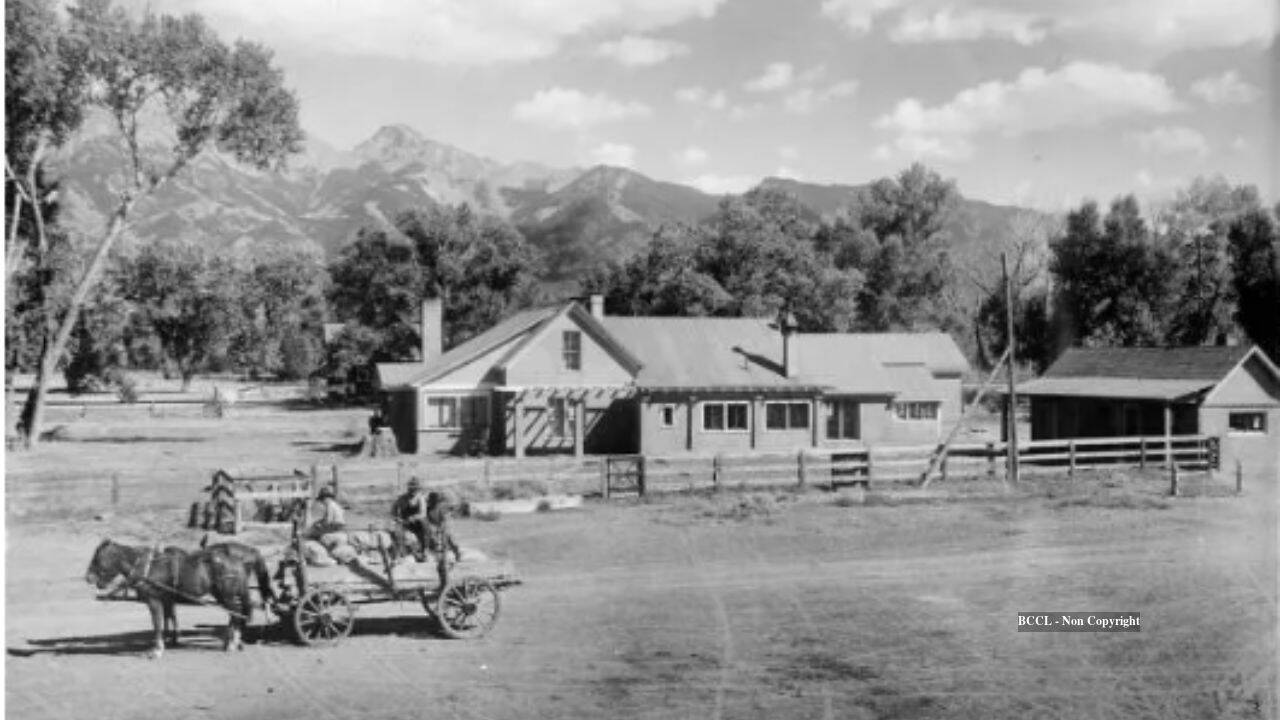
Land acquisition in the American West during the early 1900s often involved minimal financial outlay, as vast tracts of undeveloped territory were considered of limited commercial value. A Colorado property purchased at the remarkably low rate of 30 cents per acre exemplified this phenomenon, with the original transaction appearing unremarkable at the time of sale.
Decades after this initial purchase, the strategic significance of the land became apparent to conservation advocates and government officials. The parcel's location and natural characteristics made it valuable for preservation purposes, contributing to broader efforts to protect the region's unique landscape and ecological features.
What began as a modest land transaction eventually facilitated the creation of a national park system protecting thousands of acres of pristine terrain. The transformation from private ownership to protected status underscores how historical land purchases, however humble their origins, can lay the groundwork for major conservation initiatives.
The story serves as a testament to the importance of long-term vision in environmental stewardship. Early twentieth-century decisions about land use and acquisition, made when prices were minimal and development pressures absent, would later prove instrumental in preserving significant natural areas for future generations of visitors and researchers.