Business · India Bureau
Batanagar: How Bengal's Historic Industrial Township Fades Into Memory
Once a thriving planned community established on the Hooghly riverbanks in 1934, the West Bengal township of Batanagar now exists largely in the reminiscences of those who witnessed its prosperous past. The settlement's transformation reflects broader changes in Bengal's industrial landscape and urban development.
LSN India ·
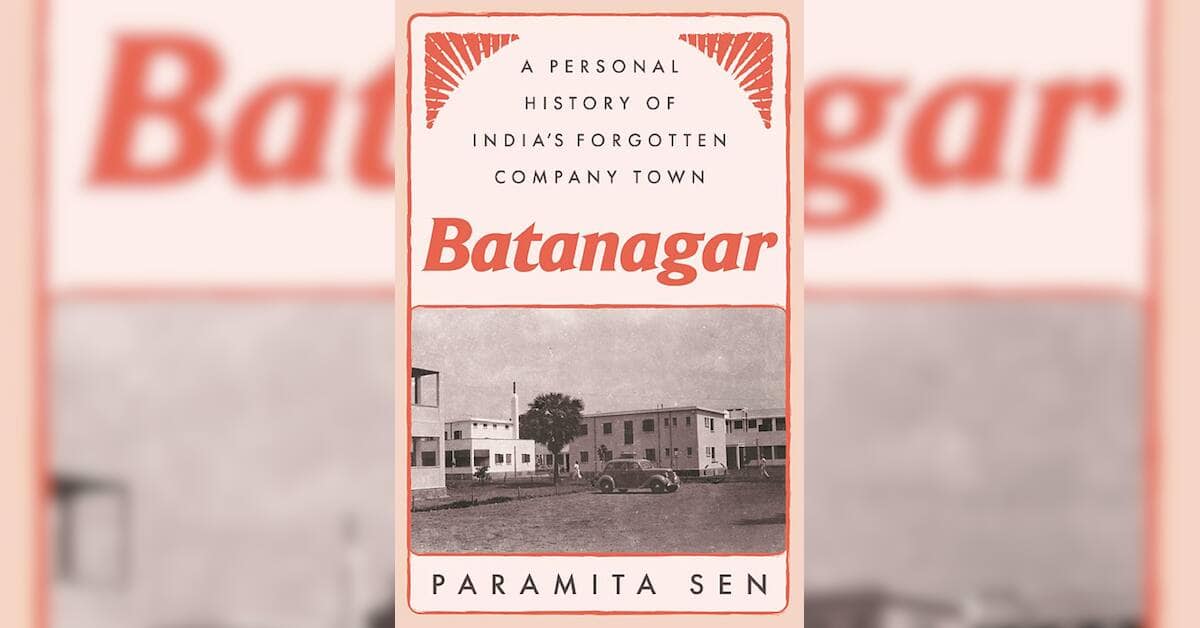
Batanagar, situated along the banks of the Hooghly River in West Bengal, stands as a testament to early 20th-century industrial township planning in India. Established in 1934, the settlement was conceived as a modern, organized residential and commercial hub designed to support the region's growing industrial activities. The township's carefully planned layout and infrastructure once made it an exemplary model of urban development for its era.
During its heyday, Batanagar earned a reputation as an idyllic community where diverse populations coexisted and built vibrant social and cultural ecosystems. The township hosted numerous businesses, institutions, and residential quarters that supported a thriving economy. Stories of entrepreneurship, community spirit, and daily life from this period have become embedded in local folklore and family histories.
Today, much of Batanagar's historical character exists primarily in the memories of elderly residents and descendants of original settlers. The township has undergone significant physical and demographic changes over the decades, with modern development and urban expansion altering its original character. Local historians and heritage enthusiasts have documented narratives from longtime inhabitants seeking to preserve accounts of the settlement's golden period.
The evolution of Batanagar mirrors broader transformations across Bengal's industrial corridors, where historic townships have adapted to contemporary pressures including urbanization, economic shifts, and infrastructure demands. Efforts to document and recognize the township's heritage significance continue among community members and cultural organizations interested in preserving regional industrial history.