World · India Bureau
Beautiful houseplants to avoid according to Vastu and Feng Shui beliefs
According to traditional Vastu and Feng Shui principles, certain ornamental plants are believed to attract negative energy and financial hardship. Experts outline which popular indoor plants may carry inauspicious associations in the home.
LSN India ·
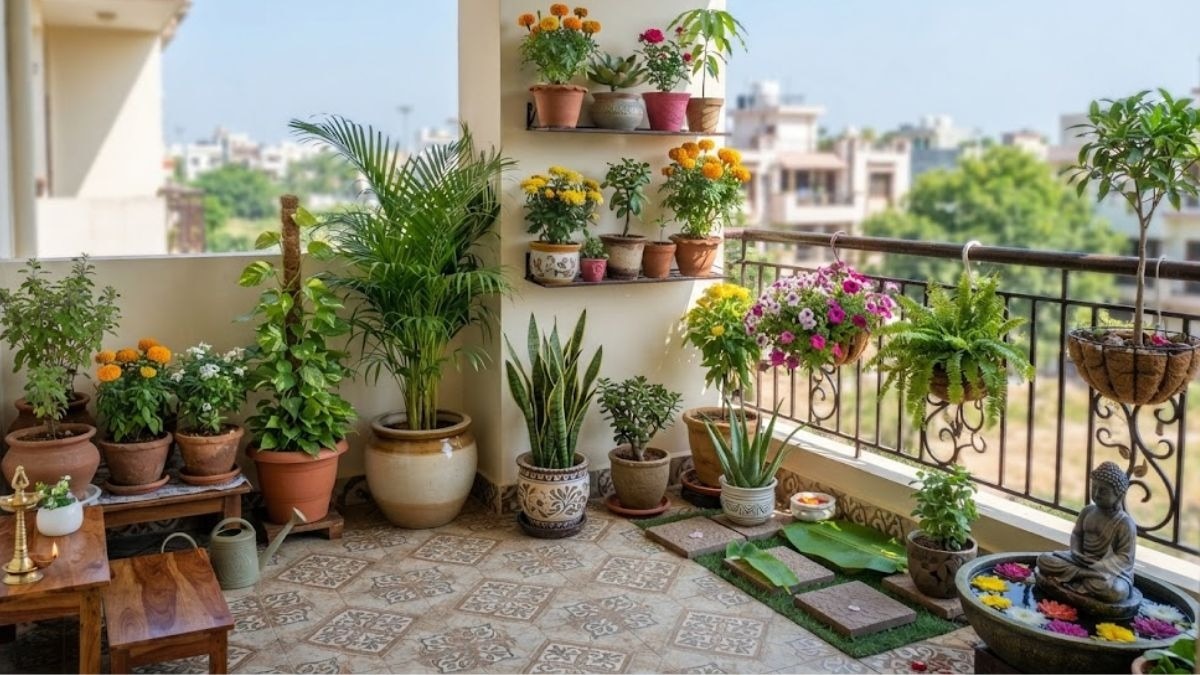
Vastu Shastra and Feng Shui, ancient systems of spatial arrangement and design philosophy, have long influenced household decisions across Asia. Among their teachings are guidelines regarding which plants should and should not be kept in living spaces, based on beliefs about energy flow and prosperity.
According to these traditional systems, several visually appealing plants are considered inauspicious for domestic settings. Practitioners believe certain species may invite negative energy, financial difficulties, and misfortune into the home despite their aesthetic appeal. The associations stem from symbolic meanings assigned to plant characteristics such as shape, thorns, and growth patterns.
Followers of Vastu recommend avoiding plants with sharp, pointed leaves or those that grow in downward directions, as these are thought to symbolize decline and adversity. Similarly, thorny plants and those with drooping stems are discouraged in main living areas. Instead, proponents suggest cultivating plants with rounded leaves and upward growth patterns, believed to promote positive energy and abundance.
While scientific evidence does not support these metaphysical claims, many households across India and Southeast Asia continue to consult Vastu and Feng Shui principles when selecting indoor plants. Whether motivated by cultural tradition or personal belief, understanding these guidelines helps residents align their home environments with these philosophical systems.