World · Singapore Bureau
Beijing moves to stem yuan strength with higher FX reserve requirements
China is set to raise foreign exchange reserve requirements for financial institutions as it seeks to moderate the yuan's sharp appreciation against the US dollar. The move reflects Beijing's concern over the currency's rapid gains this year.
LSN Singapore ·
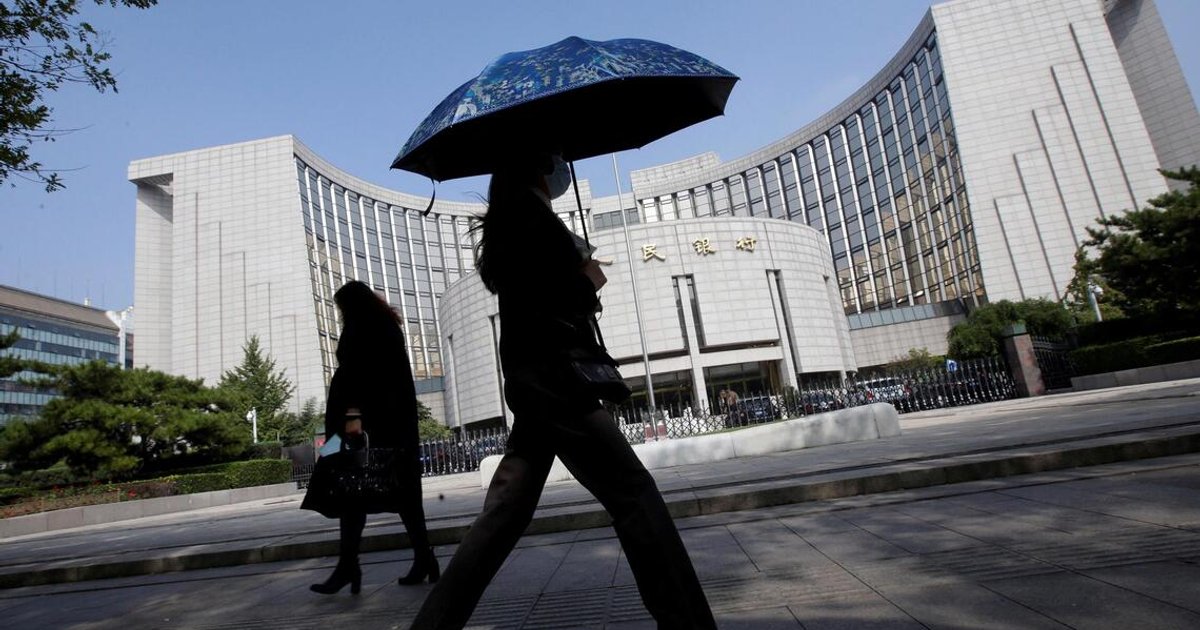
Chinese authorities are implementing measures to temper the yuan's rally, which has surged more than 5 per cent against the dollar since the start of 2026. The increase in foreign exchange reserve requirements is designed to reduce speculative pressure on the currency and stabilise exchange rates.
The policy adjustment signals Beijing's preference for a more gradual appreciation of the yuan, which has strengthened considerably amid broader shifts in capital flows and economic sentiment in the region. Officials have expressed concern that rapid currency appreciation could impact exporters and complicate monetary policy management.
Raising FX reserve requirements is a tools used to manage liquidity in the banking system and discourage excessive foreign currency speculation. By requiring financial institutions to hold larger reserves of foreign exchange, the central bank aims to cool demand for yuan and reduce upward pressure on the exchange rate.
The move comes as China continues to balance competing priorities: supporting economic growth while maintaining currency stability. Regional policymakers across South and Southeast Asia are closely monitoring yuan movements, given the currency's significance for regional trade and investment flows.
Analysts say the reserve requirement increase is likely to be the first of potentially several measures Beijing may deploy to manage exchange rate volatility should the yuan continue appreciating at current rates.