Technology · World News Bureau
Beijing's tungsten restrictions threaten global AI chip production capacity
China's tightened controls on tungsten exports are disrupting the semiconductor supply chain, with manufacturers of advanced drilling equipment warning of potential delays in chip fabrication worldwide. The move adds to existing trade tensions over critical minerals essential to artificial intelligence development.
LSN World News ·
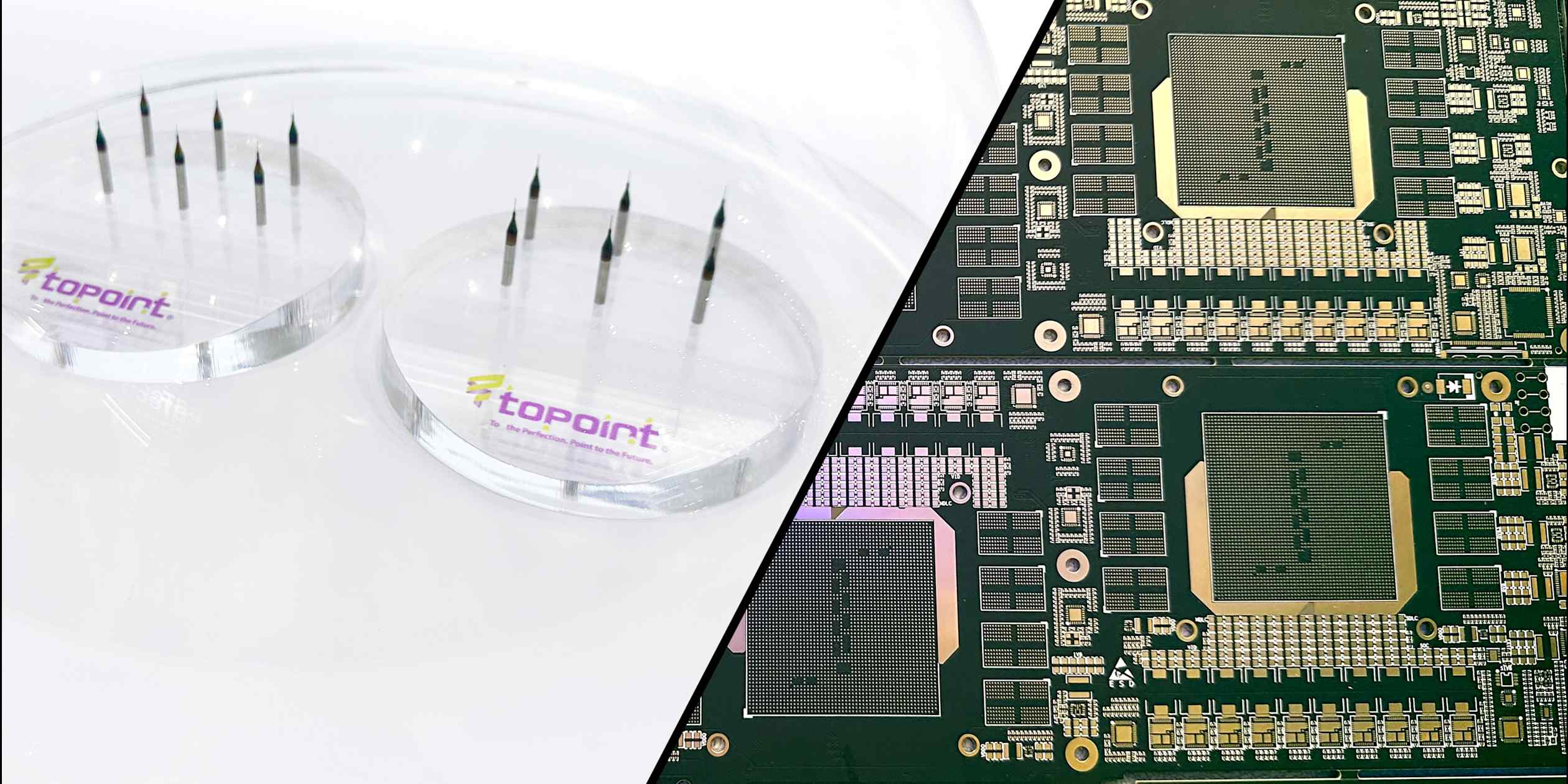
China has begun restricting exports of tungsten, a critical mineral used in specialized drill bits required for semiconductor manufacturing, raising fresh concerns about supply chain vulnerabilities in global AI chip production. The measures, part of Beijing's broader strategy to control access to raw materials deemed strategically important, have prompted manufacturers of precision drilling equipment to alert customers of potential procurement challenges and extended lead times.
Tungsten's high melting point and durability make it indispensable for creating the sophisticated drill bits used in fabricating advanced semiconductor devices. The restriction on tungsten availability threatens to create bottlenecks at a time when global demand for chips—particularly those powering artificial intelligence applications—has reached unprecedented levels. Several equipment suppliers have begun rationing supplies and exploring alternative sourcing strategies.
The Chinese government has justified restrictions on tungsten and other rare materials as necessary measures to preserve domestic resources and address environmental concerns associated with mining operations. However, analysts view the controls as part of a wider effort by Beijing to exert leverage over the global technology sector amid ongoing geopolitical tensions with Western nations over semiconductor access and AI development.
The disruption underscores the semiconductor industry's heavy reliance on China's mineral supplies and manufacturing capabilities. Industry observers warn that prolonged restrictions could delay chip production cycles and complicate efforts by technology companies worldwide to meet surging demand for AI-capable processors. Governments and manufacturers are accelerating diversification efforts to reduce dependence on Chinese-controlled supply chains.