World · India Bureau
Belgian Farmer Thrives Without Irrigation for 26 Years Through Organic Methods
A Belgian agricultural innovator has demonstrated that sustainable farming without irrigation is viable through organic soil management practices. The approach offers potential lessons for regions facing water scarcity and climate pressures.
LSN India ·
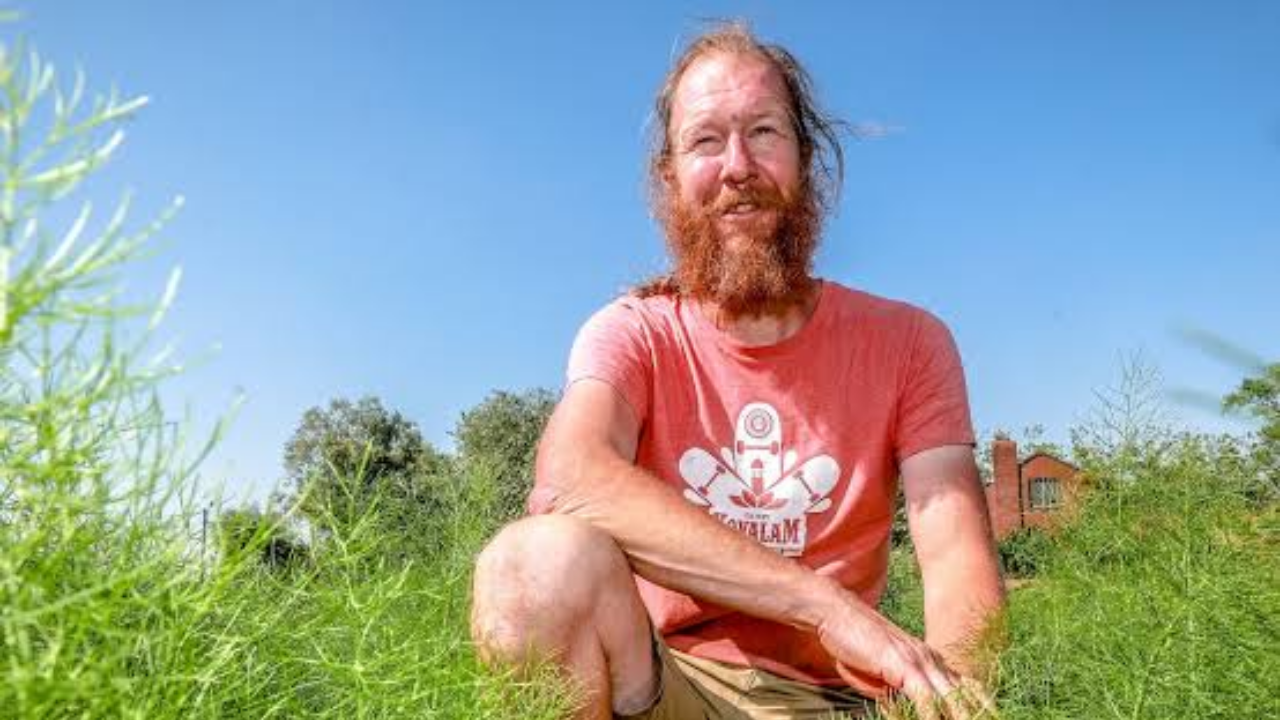
Diederik Steyaert, a farmer in Belgium, has maintained productive croplands for more than two decades without relying on irrigation systems, challenging conventional agricultural wisdom. Despite the absence of supplementary water management, the soil on his farm retains adequate moisture levels, with measurable humidity persisting 5-10 centimetres below the surface during growing seasons.
Steyaert's success stems from a deliberate shift away from intensive farming practices. By abandoning ploughing and instead building soil organic matter through natural decomposition and composting, he has created conditions where earth retains water more effectively. The enriched soil structure reduces dependency on external water inputs while improving its capacity to store moisture during dry periods.
The method produces crops with enhanced resilience to environmental stress. Plants cultivated in organically enriched soil develop stronger root systems and greater adaptive capacity, enabling them to withstand drought conditions that would typically require irrigation support. This physiological advantage reduces vulnerability to water shortages and climate variability.
Agriculturalists view Steyaert's approach as a practical model for addressing water-limited farming environments. As regions across South and Southeast Asia confront mounting pressures on groundwater resources and erratic rainfall patterns, the Belgian farmer's experience suggests that soil health and organic matter accumulation may offer sustainable pathways to maintain productivity without intensive water extraction or modern irrigation infrastructure.