World · Bangladesh Bureau
Bengali judge's legacy at Tokyo tribunal remains obscure to homeland
A Bengali jurist who served on Japan's post-World War II tribunal has been commemorated in Japan while remaining largely unknown in Bangladesh, highlighting a forgotten chapter of Asian legal history.
LSN Bangladesh ·
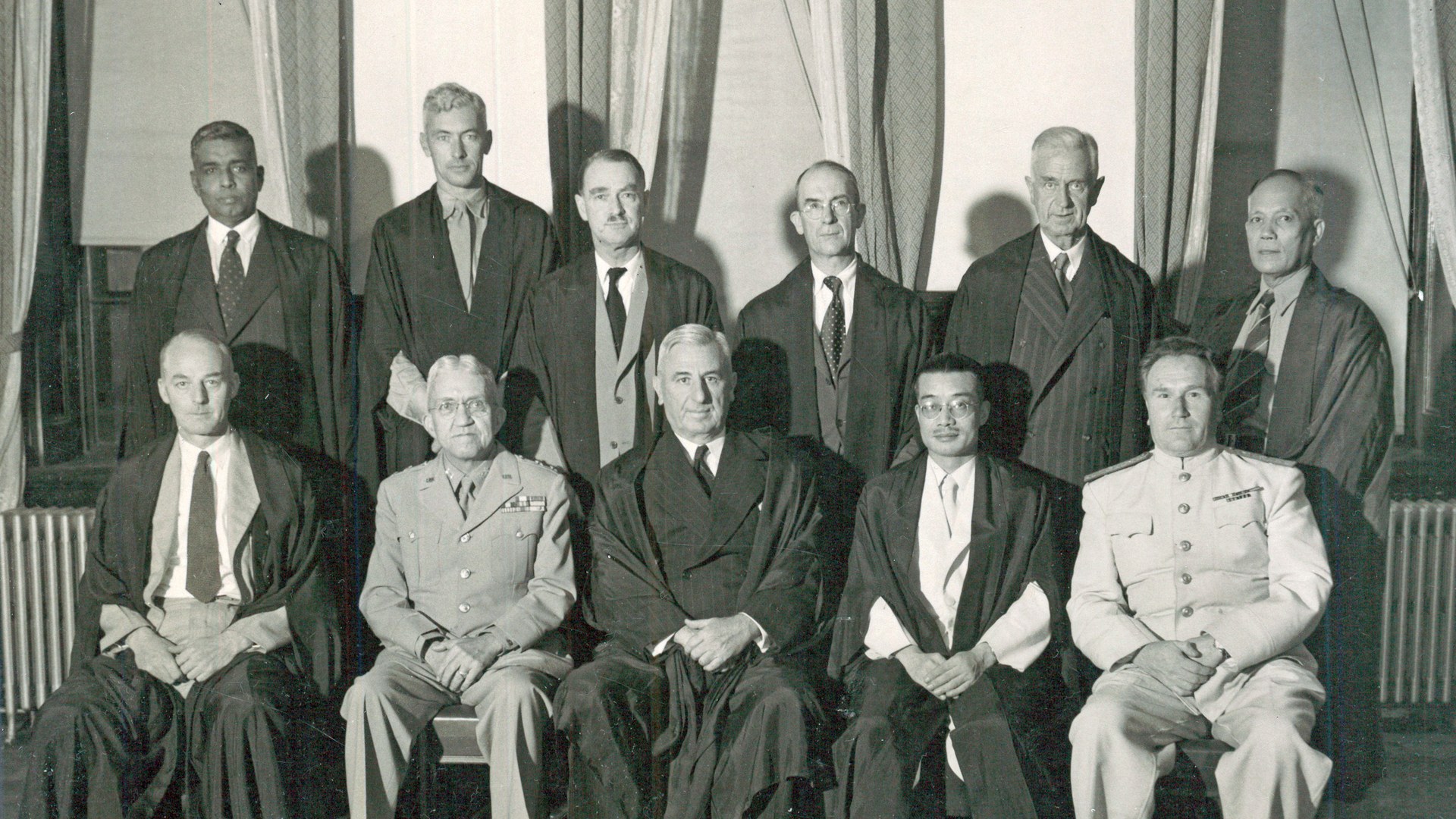
A prominent Bengali judge who participated in the International Military Tribunal for the Far East following World War II has been remembered and honored in Japan, yet his contributions have gone largely unrecognized in his native Bangladesh. The judge's involvement in the historic tribunal, which prosecuted Japanese military and political leaders for war crimes, represents a significant moment in both Asian and international legal history. His participation underscored the broader Asian involvement in shaping post-war justice mechanisms during a transformative period for the region. Despite the tribunal's historical importance and Japan's continued recognition of the judge's role, Bangladesh has not actively claimed or commemorated this distinguished legal figure as a national historical asset. The disconnect between Japan's institutional memory of the tribunal proceedings and Bangladesh's awareness of the judge reflects broader gaps in how different nations preserve and interpret shared historical events. This forgotten connection between the two nations offers insights into selective historical memory and the varying ways countries choose to honor their citizens' international contributions.
Photo: The judges of the International Military Tribunal for the Far East, Tokyo, July 1946; India's Justice Radhabinod Pal stands at far left. US Army Signal Corps / National Archives via Wikimedia Commons (public domain).