World · India Bureau
Bengaluru grapples with protest rights amid traffic concerns
India's tech hub faces growing tension between citizens' constitutional right to protest and authorities' traffic management priorities. Legal scrutiny in recent years has raised questions about how police handle public gatherings on city roads.
LSN India ·
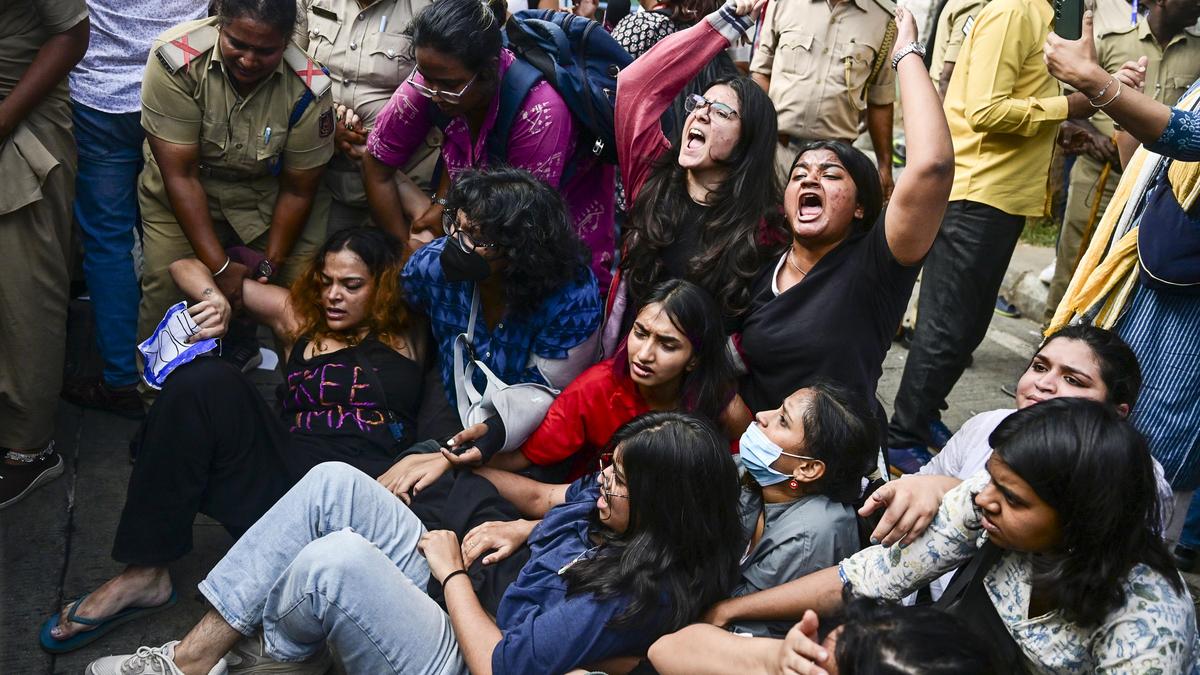
Bengaluru's chronic traffic congestion has become a flashpoint in debates over protest rights, with the city's police force increasingly intervening in public gatherings even when organisers dispute whether they constitute formal protests.
The issue gained prominence in 2021 when courts began examining the intersection of constitutional protections for peaceful assembly and the city's acute transportation challenges. The high-density IT corridor generates massive traffic volumes, making road disruptions particularly contentious for commuters and businesses alike.
However, activists and organisers have raised concerns that law enforcement is casting too wide a net, intervening in spontaneous public gatherings, awareness campaigns, and non-protest assemblies that would not ordinarily warrant police action. This approach, they argue, effectively restricts citizens' fundamental right to congregate in public spaces, a protection enshrined in India's Constitution.
The tension reflects a broader challenge facing rapidly urbanising Indian cities: balancing the constitutional guarantee of freedom of assembly with practical governance needs in congested metropolitan areas. Legal experts note that while traffic management is a legitimate concern, it cannot be used to systematically prevent citizens from exercising their democratic rights.
As Bengaluru continues to grow, clarity on the boundaries between acceptable public assembly and traffic disruption remains elusive, leaving both authorities and citizens uncertain about what forms of public gathering will face police intervention.