World · India Bureau
Bengaluru hospital executes innovative kidney swap for child patients
A leading Bengaluru hospital has successfully completed a pediatric kidney transplant using a donor exchange programme involving two families. The procedure represents an advancement in addressing organ shortage challenges for young patients requiring transplantation.
LSN India ·
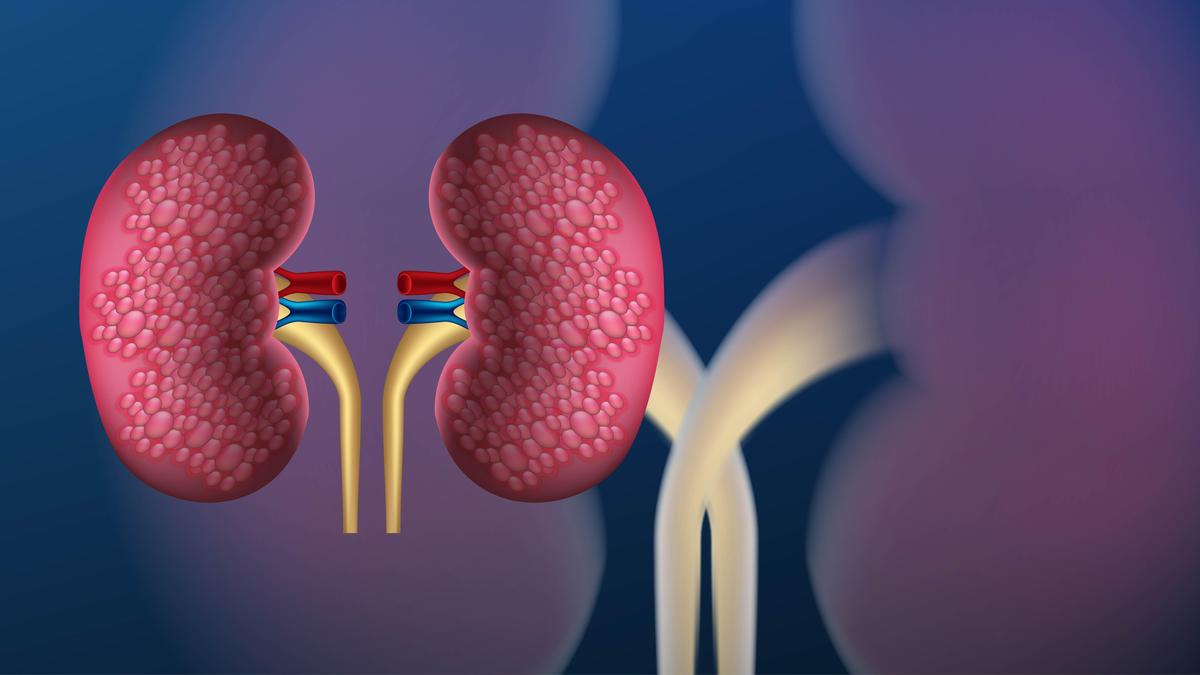
Doctors at the Bengaluru-based hospital coordinated the transplant by facilitating an exchange between two donor-recipient family pairs, enabling both children to receive compatible kidneys. The donor swap model allows families with incompatible blood types or tissue matches to participate in a coordinated transplantation programme, significantly expanding the pool of viable donors for pediatric patients.
Pediatric kidney transplantation presents particular challenges due to the scarcity of appropriately sized organs and the difficulty in finding immunologically compatible matches among young recipients. The donor exchange approach circumvents these limitations by matching donors from one family to recipients in another, provided the immunological parameters align beneficially for both children.
The successful procedure underscores the growing sophistication of transplant programmes in India's healthcare system and offers renewed hope for families managing end-stage renal disease in children. Medical professionals have increasingly advocated for such coordinated exchange programmes as an effective strategy to mitigate the persistent shortage of pediatric donor organs across the country.
The hospital's surgical team managed the complex logistics of conducting simultaneous procedures to ensure both transplants proceeded safely. This model of cooperative transplantation has demonstrated efficacy in addressing waiting list burdens and improving outcomes for young patients dependent on renal replacement therapy.