Culture & Entertainment · India Bureau
Bengaluru's school commute crisis strains students, clogs city roads
Students across Bengaluru face grueling journeys to school while traffic congestion around educational institutions peaks during school hours, prompting calls for systemic solutions to ease both student hardship and urban congestion.
LSN India ·
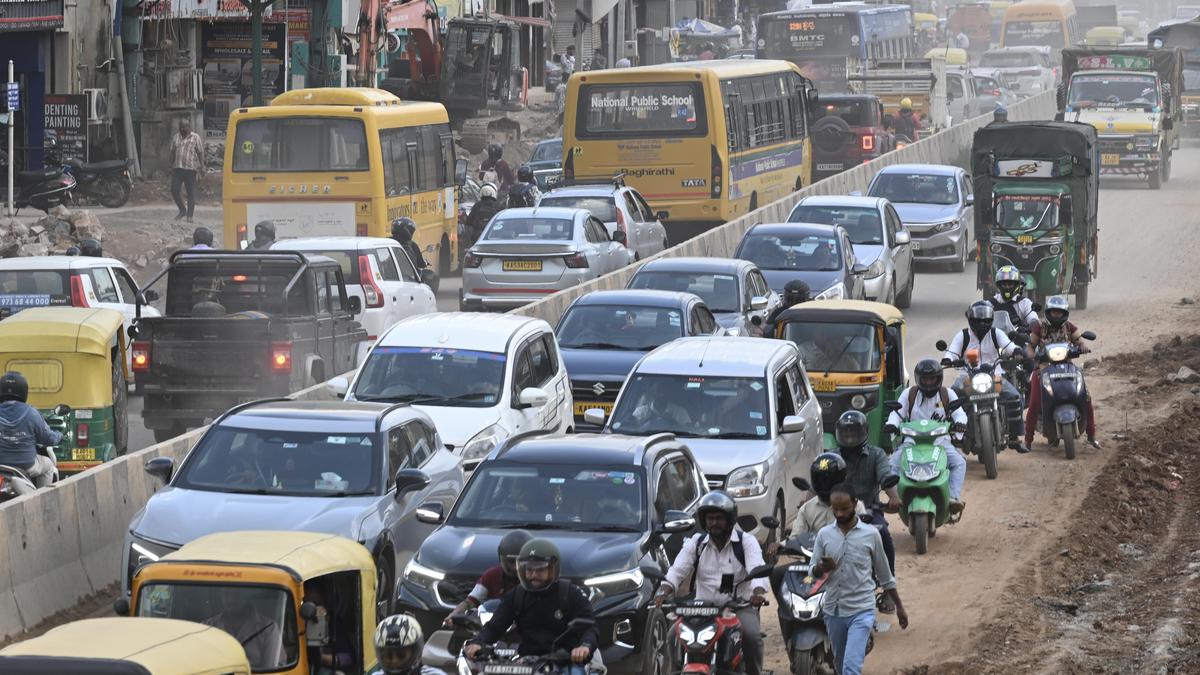
Bengaluru's rapid expansion has left many schoolchildren grappling with lengthy and exhausting commutes, even as their journeys compound the city's mounting traffic woes. During peak school hours, roads adjacent to educational institutions become severely congested, creating bottlenecks that affect not only parents and students but the broader commuting public.
The problem spans multiple zones across the city, with children in certain areas spending considerable time in transit to reach their classrooms. The physical toll on young students, combined with the inefficiency of long commutes, has raised concerns among educators and parents about the impact on learning outcomes and student well-being.
Traffic patterns around schools have intensified as Bengaluru's population has grown faster than its transportation infrastructure. The concentration of vehicles during morning and afternoon peak hours creates a cascading effect on surrounding streets, affecting businesses and residents in school vicinities.
Experts and civic authorities are examining potential remedies, ranging from improved public transportation connectivity to staggered school timings and designated traffic management zones. Some proposals include enhanced bus routes serving school areas and carpooling initiatives to reduce vehicle numbers during peak hours.
The dual challenge—improving student mobility while reducing urban congestion—requires coordinated action among school administrations, traffic authorities, and urban planners to develop sustainable commuting solutions for Bengaluru's growing school-age population.