Technology · India Bureau
Bengaluru's tech boom masks infrastructure strain, environmental costs
India's IT capital has generated unprecedented economic growth and employment over three decades, transforming from a retirement destination into a global technology hub. Yet the city's explosive expansion has strained its infrastructure, mobility systems and natural resources, raising questions about sustainability.
LSN India ·
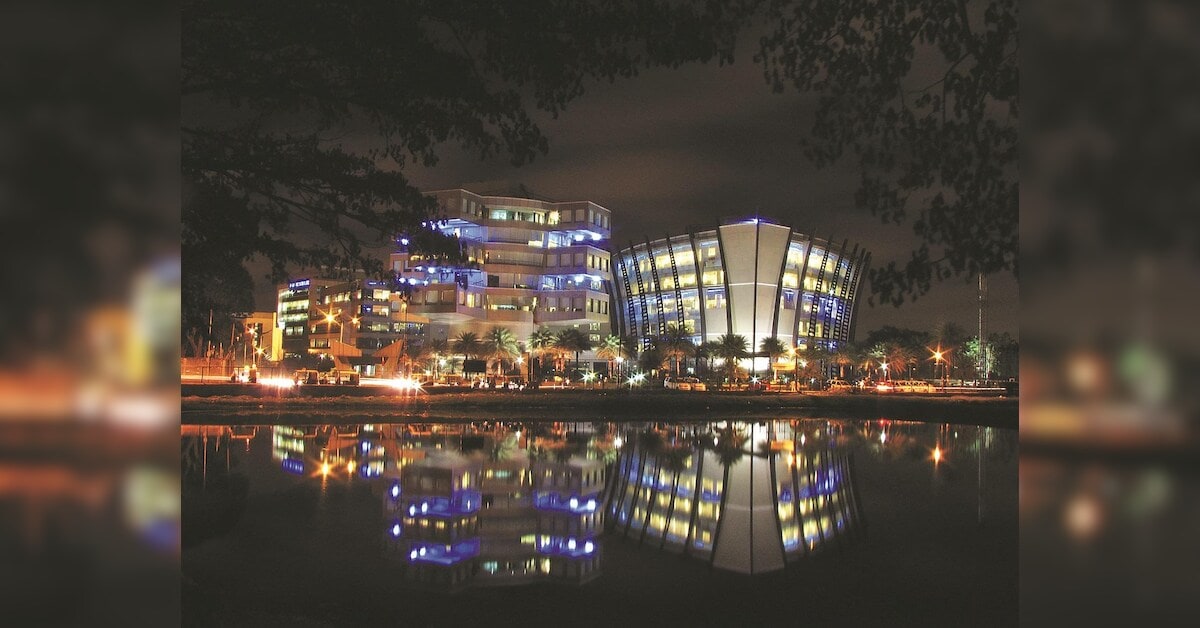
Bengaluru's ascent as India's premier technology centre has reshaped the city's economic trajectory and national standing. What was once known primarily as a pensioners' haven has evolved into a thriving innovation ecosystem, attracting multinational corporations, startups and skilled workforce from across India and abroad. The IT sector has catalysed job creation, attracted foreign investment and established the city as a gateway for India's digital economy.
The economic dividends have been substantial. Real estate values have surged, consumer spending has risen, and ancillary industries from hospitality to financial services have flourished alongside technology companies. The concentration of tech firms has created a virtuous cycle of talent attraction and entrepreneurial activity, positioning Bengaluru among Asia's most dynamic urban economies.
However, rapid urbanisation has exacted considerable costs. Traffic congestion has become chronic, with commute times among India's longest, while public transportation infrastructure has struggled to keep pace with population growth. Water scarcity has intensified despite the city's historically abundant rainfall, partly due to unplanned urban expansion and environmental degradation. Several lakes and green spaces have disappeared or been severely compromised, threatening the ecological balance that once defined the city.
Infrastructure deficits present ongoing challenges. Power supply, waste management and sanitation systems face strain from the city's estimated 10 million residents and growing migrant population. Urban planners and administrators face mounting pressure to balance continued economic growth with liveable conditions and environmental preservation. The trajectory of Bengaluru's development offers lessons for other Indian cities navigating similar growth pressures.