World · India Bureau
Bengaluru's water crisis imposes ₹3,000 monthly burden on poorest families
An audit of Bengaluru's water system reveals the city's poorest households bear disproportionate costs as groundwater extraction nearly doubles the natural replenishment rate. The city loses approximately 400 million litres of piped water daily, exacerbating scarcity for low-income residents.
LSN India ·
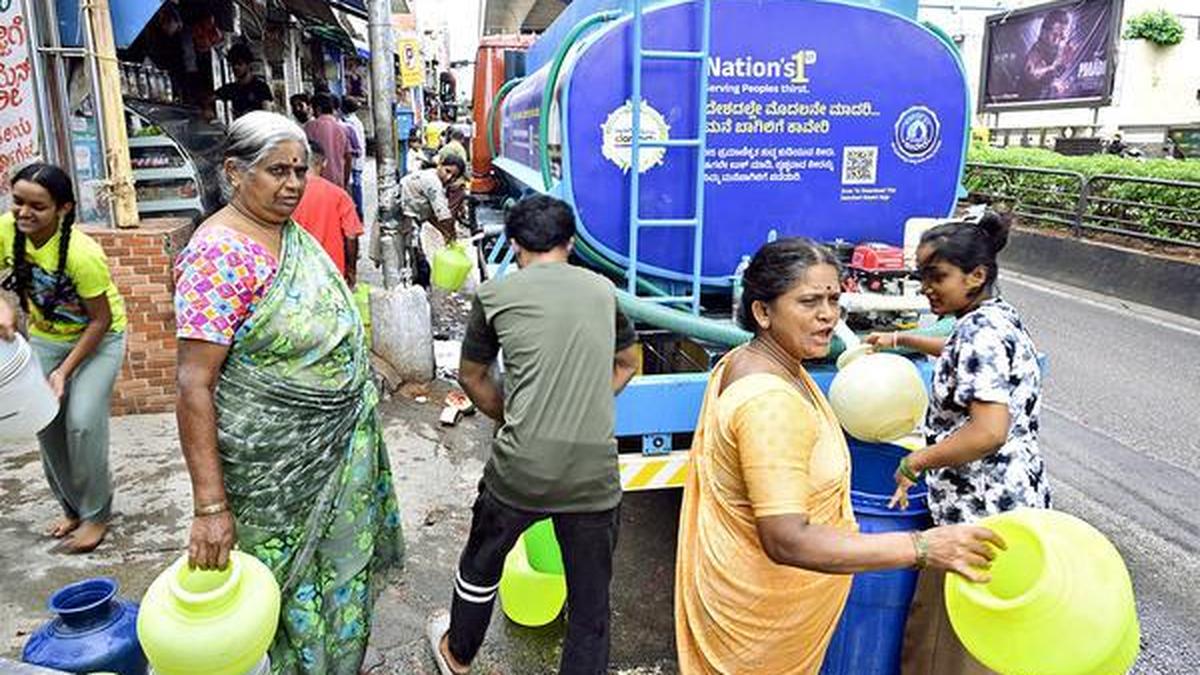
Bengaluru faces a deepening water crisis that disproportionately affects its most vulnerable populations, according to findings from a comprehensive audit of the city's water management practices. Poor families are forced to spend approximately ₹3,000 monthly on alternative water sources, placing severe strain on household budgets already stretched by other essential expenses.
The audit reveals systemic inefficiencies in the city's water supply infrastructure. Bengaluru extracts groundwater at nearly double the rate at which aquifers naturally replenish, unsustainably depleting this critical resource. Additionally, the piped water distribution network loses approximately 400 million litres daily, representing a significant waste of a scarce commodity.
These findings underscore the urgent need for comprehensive water management reforms in India's IT capital. The combination of over-extraction, infrastructure losses, and unequal access creates a compounding crisis that threatens both environmental sustainability and social equity. Syed Ahmed Hussain, convenor of the Water Satyagraha campaign, has highlighted these concerns as part of broader advocacy efforts.
Experts warn that without immediate intervention addressing both supply-side inefficiencies and demand-side management, water scarcity will intensify across Bengaluru, with the poorest residents bearing the heaviest costs. The audit results add pressure on municipal authorities to implement systemic reforms including infrastructure upgrades, leak detection programs, and equitable water distribution policies.