World · World News Bureau
Berlin Wall's Division Still Echoes Through German Families Decades Later
The partition of Germany separated millions of families across an ideological divide that lasted nearly three decades. For survivors like the Guetingers, the Wall's legacy continues to shape their lives long after its fall.
LSN World News ·
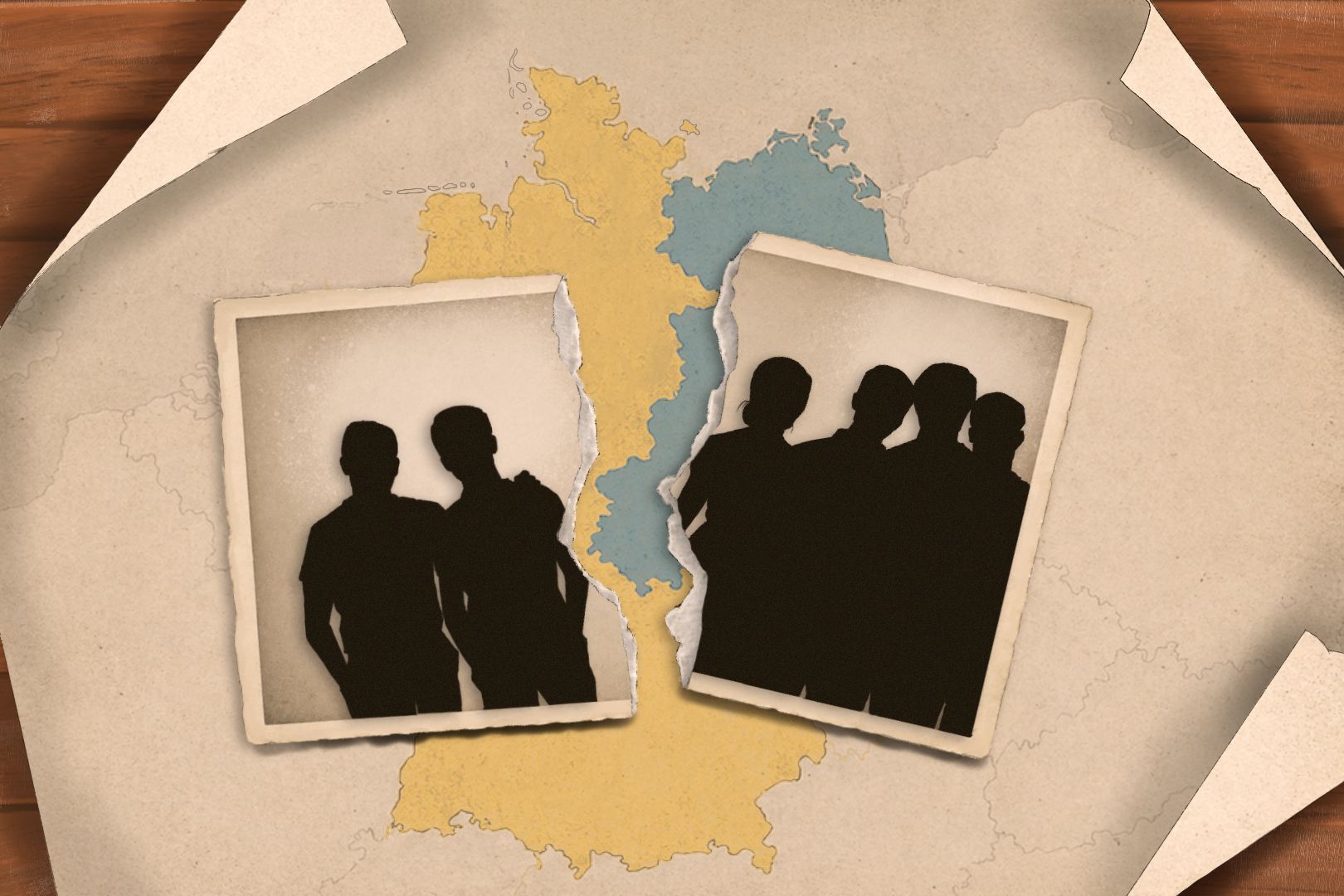
When the Berlin Wall split Germany in 1961, approximately 70 million people found themselves suddenly divided between East and West, separated not merely by geography but by competing political systems and Cold War tensions. The Guetinger family was among countless households torn apart by this unprecedented division, with relatives suddenly unable to cross the concrete barrier that would define an entire generation's experience.
The physical wall that divided Berlin stood for 28 years, creating one of the starkest symbols of the Cold War era. Families like the Guetingers endured decades of separation, with limited opportunities to communicate or reunite. The emotional and psychological toll of this enforced estrangement extended far beyond the immediate post-war years.
Although the Wall fell in 1989 and Germany reunified in 1990, the scars of division remain visible in the lives of those who experienced it firsthand. The Guetinger family's story reflects a broader pattern among German households that struggled to rebuild connections severed by nearly three decades of political separation. Many survivors continue to grapple with the unresolved grief and complex relationships that resulted from forced family division.
The legacy of the Berlin Wall persists in contemporary Germany, serving as a historical reminder of the human cost of ideological conflict. For families like the Guetingers, the barrier's destruction did not immediately erase the hardships endured during those lost decades, and its impact continues to resonate within their personal histories.