Politics · Malaysia Bureau
Bersama risks irrelevance without accepting Malaysia's political realities
An ex-Umno leader has cautioned Rafizi Ramli's Bersama party that operating independently could lead to the same political marginalization faced by Muda and Pejuang. The warning underscores the challenges facing newer political movements in Malaysia's competitive electoral landscape.
LSN Malaysia ·
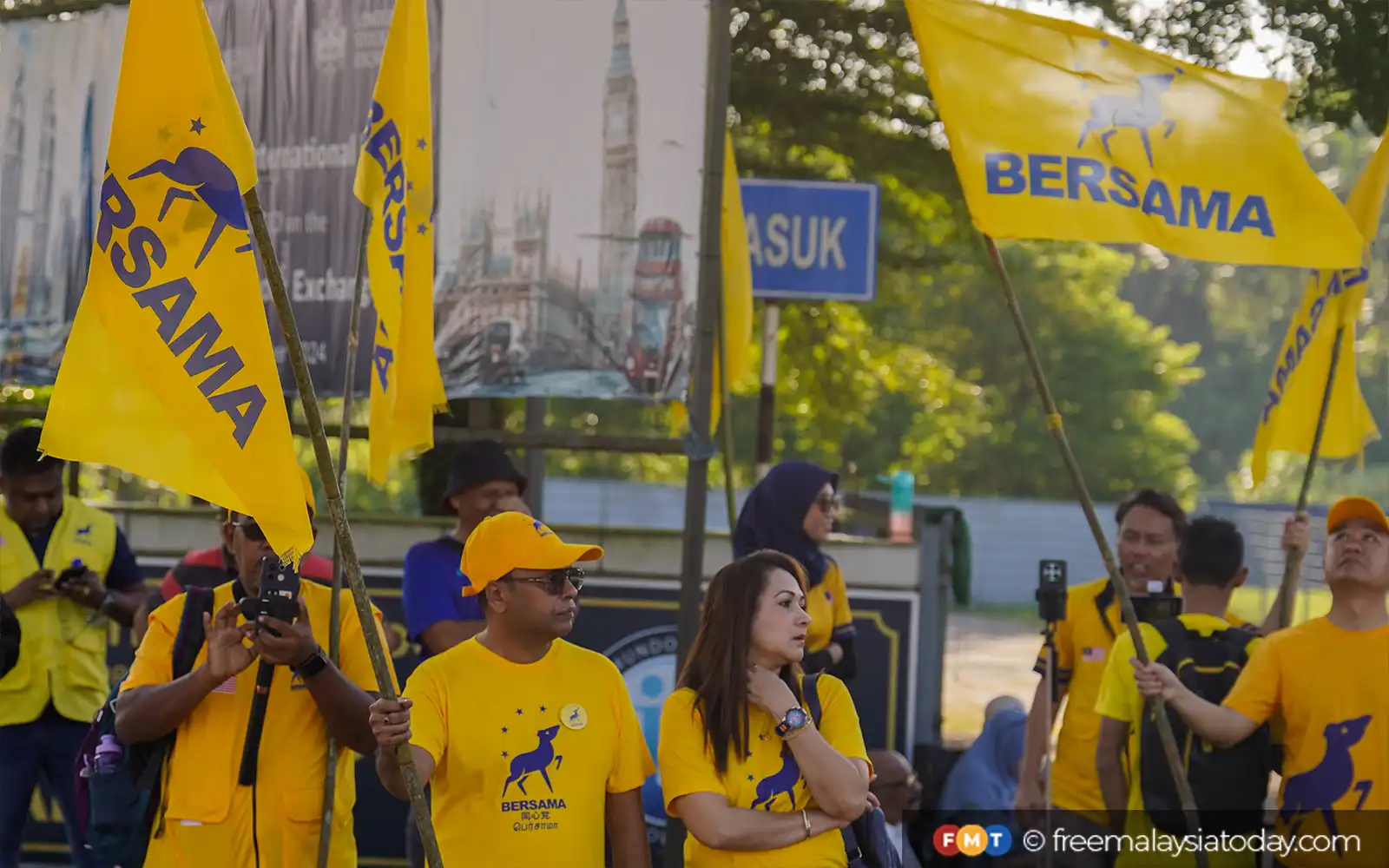
A former Umno figure has advised Bersama to reassess its strategy and align itself with Malaysia's established political structures, cautioning that continued isolation could relegate the party to the same peripheral status as other newer political movements. The remarks highlight the difficulties independent parties face in gaining traction within Malaysia's coalition-dominated political system.
The former leader argued that smaller parties operating outside major coalitions struggle to translate voter support into meaningful parliamentary representation and policy influence. He pointed to the experiences of Muda and Pejuang as cautionary examples of how independent operations have limited their ability to expand their presence and impact national politics.
Bersama, led by economist and politician Rafizi Ramli, has positioned itself as an alternative force in Malaysian politics. However, the party's growth trajectory has remained modest compared to established political coalitions, raising questions about its long-term viability as a standalone entity.
The commentary reflects broader debates within Malaysia's opposition movement about optimal strategies for political competition. Analysts note that the country's first-past-the-post electoral system typically favors larger coalitions, creating structural incentives for smaller parties to seek partnership arrangements rather than contest independently.