Business · India Bureau
Beyond GDP: Nations Rethink How to Measure True Progress
As policymakers increasingly question whether economic growth alone reflects national well-being, a shift toward alternative development metrics is gaining momentum across the region. New frameworks seek to capture happiness and quality of life beyond traditional GDP measurements.
LSN India ·
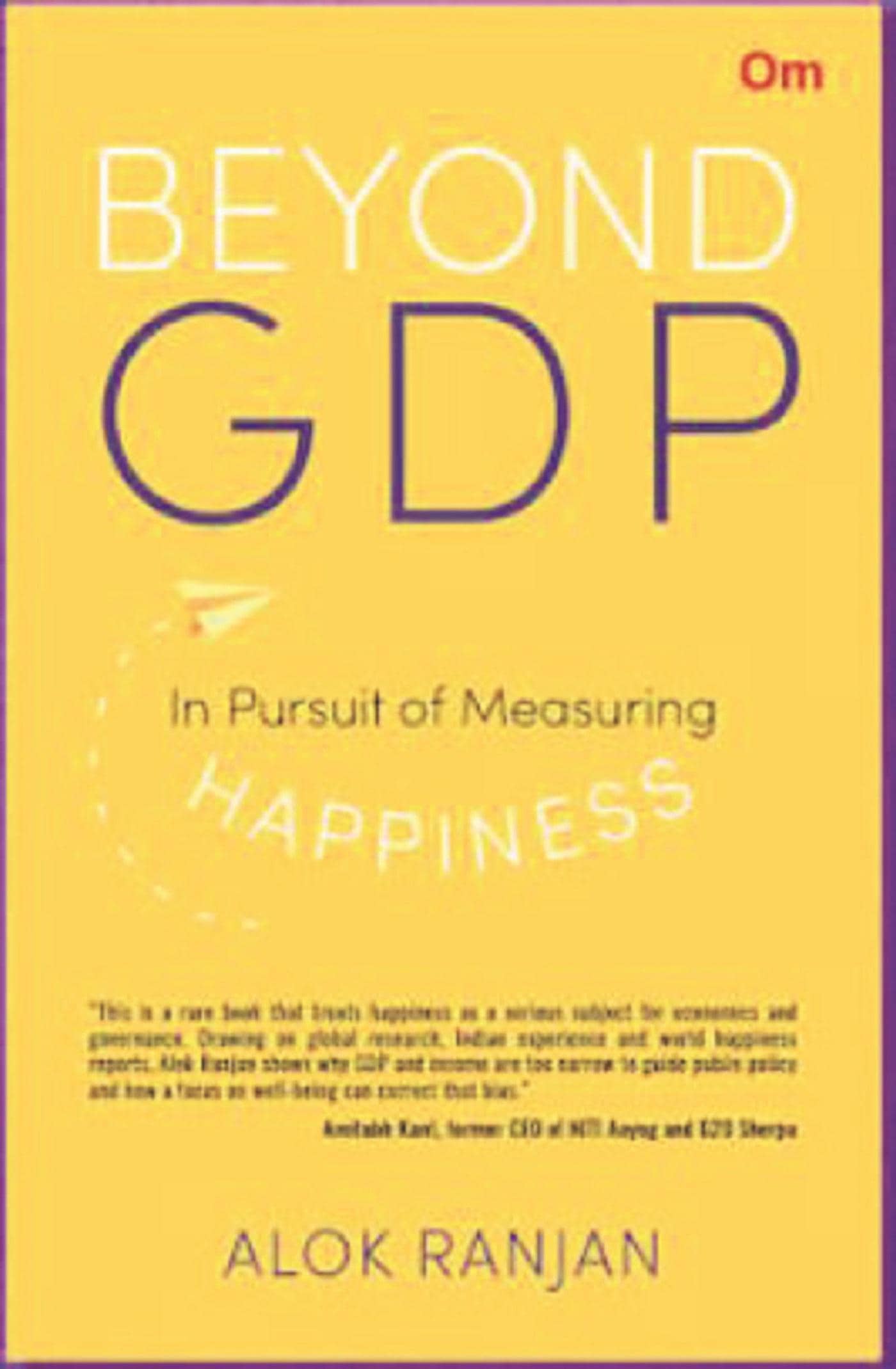
The limitations of gross domestic product as a singular measure of national success have sparked a fundamental reassessment of how societies should define progress. While GDP has long served as the primary yardstick for economic performance, a growing body of thought suggests this metric fails to capture crucial dimensions of human welfare, including health, education, environmental sustainability, and social cohesion.
This evolving paradigm reflects a recognition that rapid economic expansion can mask persistent inequalities, environmental degradation, and declining mental health. Countries across South and Southeast Asia, grappling with disparate development challenges, increasingly recognize that maximizing GDP growth may not translate into improved living standards for all citizens. The well-being approach offers a more holistic framework for policy evaluation.
Alternative measurement systems—including Bhutan's Gross National Happiness index and similar initiatives—have demonstrated that nations can pursue balanced development strategies that prioritize citizen welfare alongside economic growth. These frameworks typically incorporate metrics related to psychological well-being, community vitality, cultural preservation, and ecological health. By broadening the scope of what constitutes progress, policymakers gain more nuanced insights into policy outcomes.
The transition from GDP-centric thinking represents more than academic discourse; it carries substantial implications for budget allocation, infrastructure planning, and social policy. As evidence accumulates that traditional growth models may inadequately serve populations' genuine needs, the well-being era offers policymakers and development specialists a pragmatic alternative framework for measuring and pursuing sustainable national progress.