World · Malaysia Bureau
Beyond the fanfare: Do international summits deliver real change for citizens?
While high-profile international summits generate headlines and diplomatic activity, questions persist about whether ordinary citizens experience tangible benefits once the delegations depart. Analysts examine the gap between summit promises and ground-level outcomes.
LSN Malaysia ·
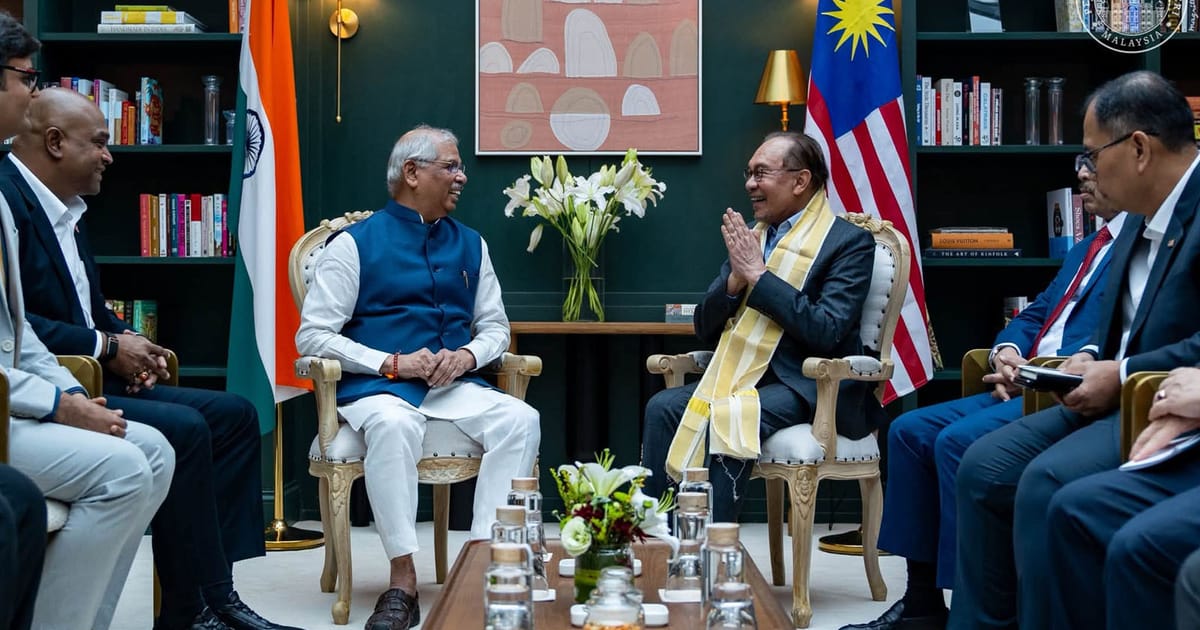
International summit meetings have become hallmarks of contemporary diplomacy, drawing world leaders to lavish venues complete with extensive motorcades and carefully orchestrated ceremonies. These gatherings command significant resources and typically culminate in carefully worded communiqués and declarations of intent. Yet beneath the ceremonial grandeur lies a persistent question: do these high-level meetings translate into measurable improvements in the lives of ordinary people?
The challenge of converting diplomatic agreements into substantive change remains substantial. While summits establish frameworks and political commitments, implementation often depends on domestic will, financial resources, and the capacity of governments to execute promised initiatives. The period following a summit frequently reveals significant gaps between aspirational language and practical outcomes, particularly in developing economies where institutional constraints may hinder progress.
Regional observers note that the value of international summits extends beyond immediate policy deliverables. These forums facilitate dialogue, strengthen bilateral relationships, and can create momentum for future cooperation on shared challenges. However, sustained commitment and follow-through mechanisms remain critical to determining whether summit outcomes genuinely benefit affected populations.
For citizens in South and Southeast Asia, the true measure of summit success ultimately hinges on whether agreements addressing priorities such as economic development, environmental protection, and social welfare result in visible improvements in their communities. Without robust accountability frameworks and transparent progress tracking, summits risk becoming expensive exercises in diplomatic theatre rather than catalysts for meaningful change.