World · Singapore Bureau
Beyond the smoke: haze contains dangerous gaseous pollutants
Regional haze episodes pose greater health risks than commonly understood, with hazardous gases comprising a significant portion of the pollution alongside particulate matter. Scientists warn that the complex chemical composition of transboundary haze requires a more nuanced approach to public health warnings.
LSN Singapore ·
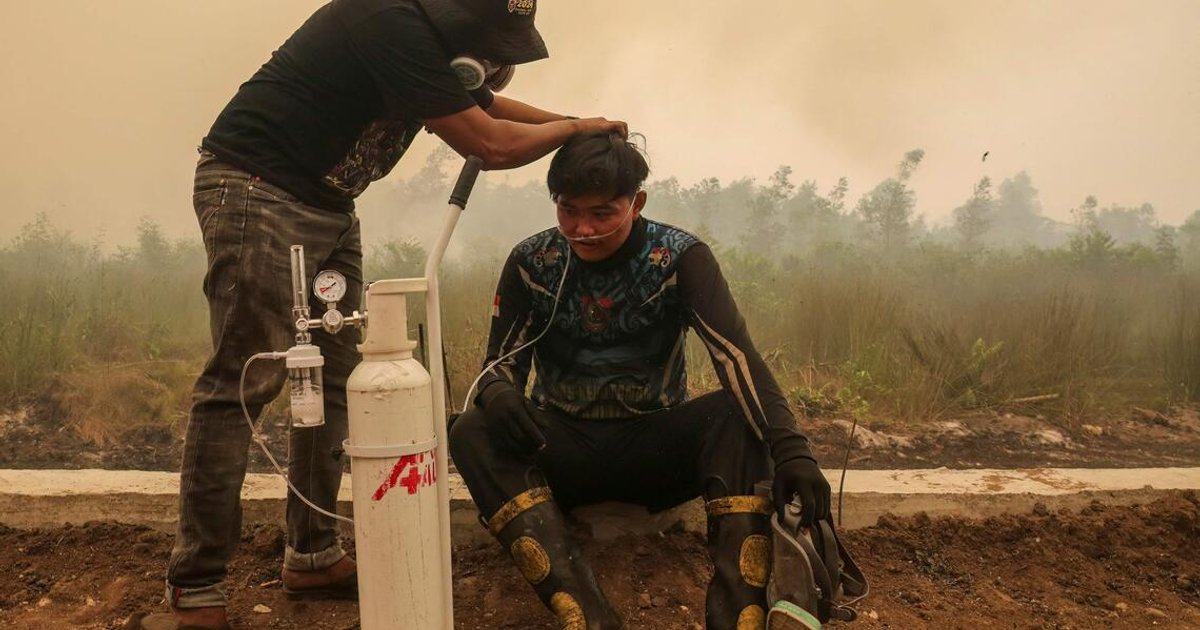
The annual haze that blankets parts of South and Southeast Asia is far more complex than the visible smoke and dust that dominates public perception. Beyond the particulate matter that gives haze its characteristic appearance, the phenomenon contains a toxic mixture of gaseous pollutants that pose substantial health risks to exposed populations.
Researchers have identified numerous harmful gases within haze formations, including nitrogen dioxide, sulphur dioxide, ozone, and volatile organic compounds. These invisible components can penetrate deeper into the respiratory system than larger particles, causing inflammation and long-term damage to lung tissue and cardiovascular function. The presence of these gases means that even on days when visibility remains relatively clear, dangerous pollution levels may persist.
The gaseous component of haze originates primarily from biomass burning in agricultural regions, particularly during land-clearing operations. Industrial emissions and vehicular pollution further contribute to the chemical cocktail. When these gases interact with sunlight and other atmospheric compounds, they undergo chemical reactions that can form secondary pollutants, amplifying the overall toxicity.
Public health officials across the region have called for enhanced monitoring protocols that account for gaseous pollutants alongside traditional particulate measurements. Current air quality indices, which rely heavily on visibility and particulate data, may underestimate the true health burden of haze episodes. Experts emphasize that comprehensive emission reduction strategies must address not only the sources of particulate matter but also the gaseous emissions that contribute significantly to air quality degradation.