World · India Bureau
Bhai Dooj and Yam Dwitiya: Understanding the Festival's Mythological Roots
Bhai Dooj, celebrated across India with sisters applying tilak to their brothers' foreheads, holds deep mythological significance. The festival is also known as Yam Dwitiya, a name rooted in ancient Hindu scriptures and the legend of Lord Yama.
LSN India ·
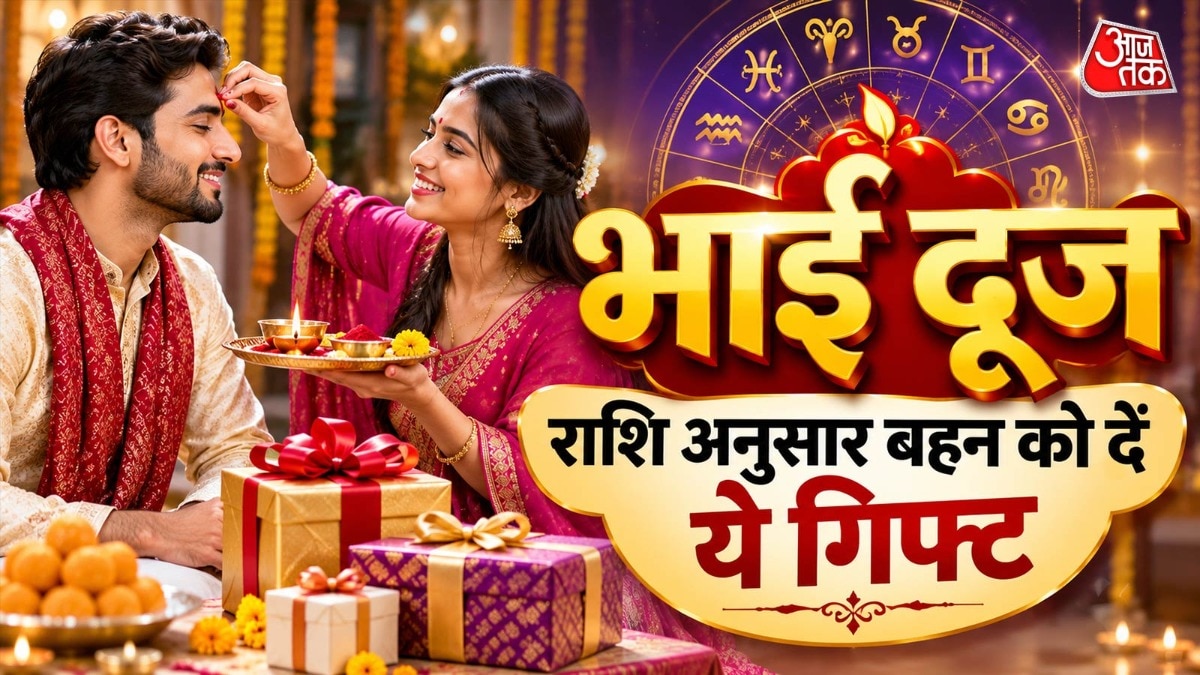
Bhai Dooj, observed two days after Diwali, is a cherished Indian festival celebrating the bond between siblings. On this auspicious day, sisters traditionally apply tilak to their brothers' foreheads and perform aarti, seeking blessings for their long life and prosperity. However, few devotees are aware that this festival carries an alternative name—Yam Dwitiya—which connects it to a profound mythological narrative.
According to Hindu mythology, Yam Dwitiya commemorates an extraordinary event involving Yamraj, the god of death, and his sister Yamuna. Legend recounts that Yamraj visited his sister on this day, and Yamuna welcomed him with great affection, performing rituals similar to those sisters observe today. In recognition of this sacred meeting, Yamraj granted his sister an extraordinary boon: any brother who receives his sister's blessings and tilak on this day would be protected from untimely death and granted a long, healthy life.
This mythological connection explains why Bhai Dooj holds such spiritual importance across Indian households. The festival is not merely a celebration of sibling affection but represents a divine assurance of protection and longevity. The ritual of applying tilak by sisters is believed to invoke Yamraj's blessings, ensuring their brothers' safety and wellbeing.
Bhai Dooj, also observed in various regional forms across India, underscores the deep intertwining of mythology with cultural traditions. By understanding its alternative name and the stories behind it, devotees gain deeper insight into why this festival remains an integral part of Indian family life and spiritual practices.