World · Bangladesh Bureau
Bhola Cyclone of 1970: Bangladesh remembers deadliest tropical storm
Fifty years after one of history's most catastrophic cyclones devastated coastal Bangladesh, survivors and descendants continue to commemorate the disaster that claimed hundreds of thousands of lives. The Bhola Cyclone remains a defining tragedy in the nation's collective memory.
LSN Bangladesh ·
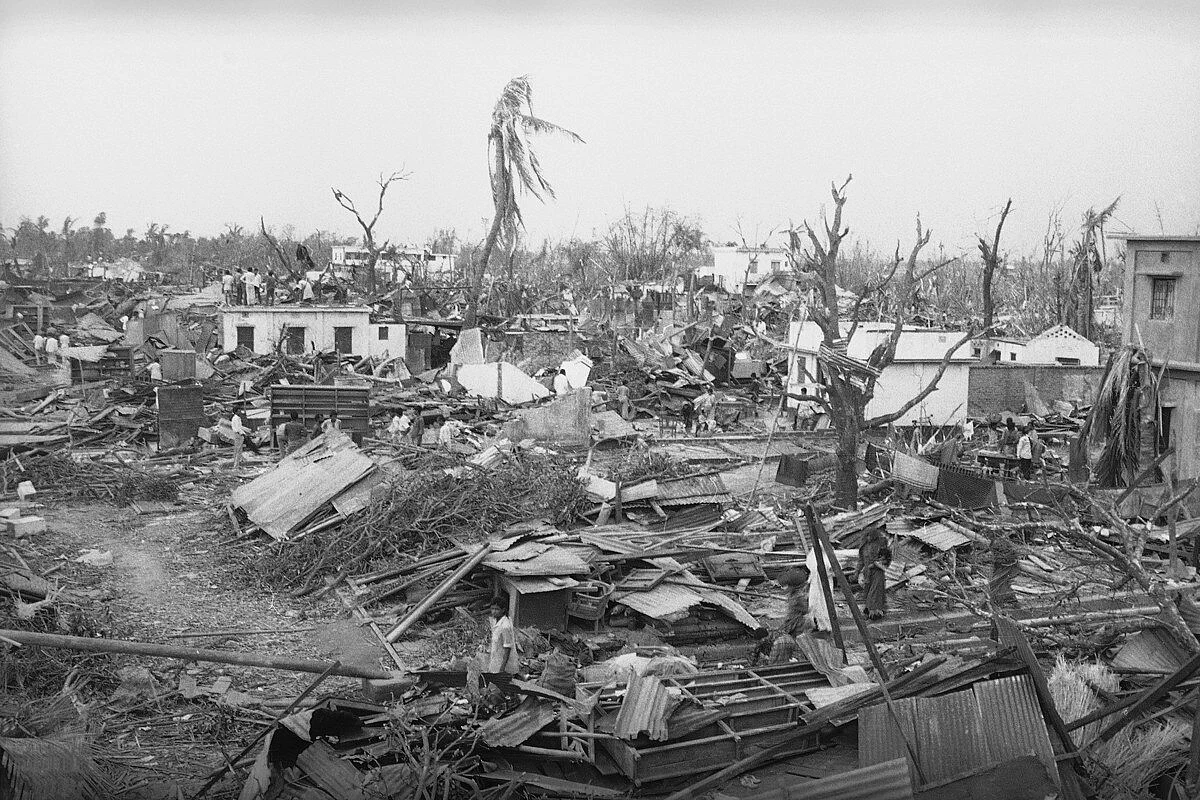
The Bhola Cyclone struck the Ganges Delta region on November 12, 1970, unleashing a storm surge that swept across densely populated coastal areas with devastating force. The tempest, which approached from the Bay of Bengal, generated massive waves that inundated low-lying islands and mainland settlements, leaving entire communities submerged under water and debris.
Official death tolls place the casualty count at approximately 300,000 to 500,000 people, though some estimates suggest the figure may have been higher. The disaster disproportionately affected the poorest residents of island communities and coastal villages, who had limited warning systems and few resources to seek shelter or evacuate to higher ground. Livestock, crops, and fishing vessels—the lifeblood of the region's economy—were obliterated by the surge and ferocious winds.
The cyclone's impact extended far beyond immediate casualties. In its aftermath, disease outbreaks, food shortages, and the breakdown of civil administration compounded the humanitarian crisis across affected regions. The disaster exposed the vulnerability of Bangladesh's coastal population and the urgent need for improved weather warning systems and disaster preparedness infrastructure.
Today, the Bhola Cyclone is regarded as one of the deadliest tropical cyclones ever recorded globally. Commemorative events and memorials serve as reminders of the tragedy, while advances in meteorological science and cyclone preparedness have significantly improved disaster response capabilities in Bangladesh and neighboring countries. The cyclone remains etched in the nation's historical consciousness as a defining moment of collective loss and resilience.