World · India Bureau
Bhutan's glacial lake outburst poses downstream flood risk to India
Glacial lake outburst floods (GLOFs) in Bhutan's high mountains present an emerging hazard for communities across northern India. Scientists warn that climate change is accelerating glacier melt, increasing the frequency and severity of these potentially catastrophic events.
LSN India ·
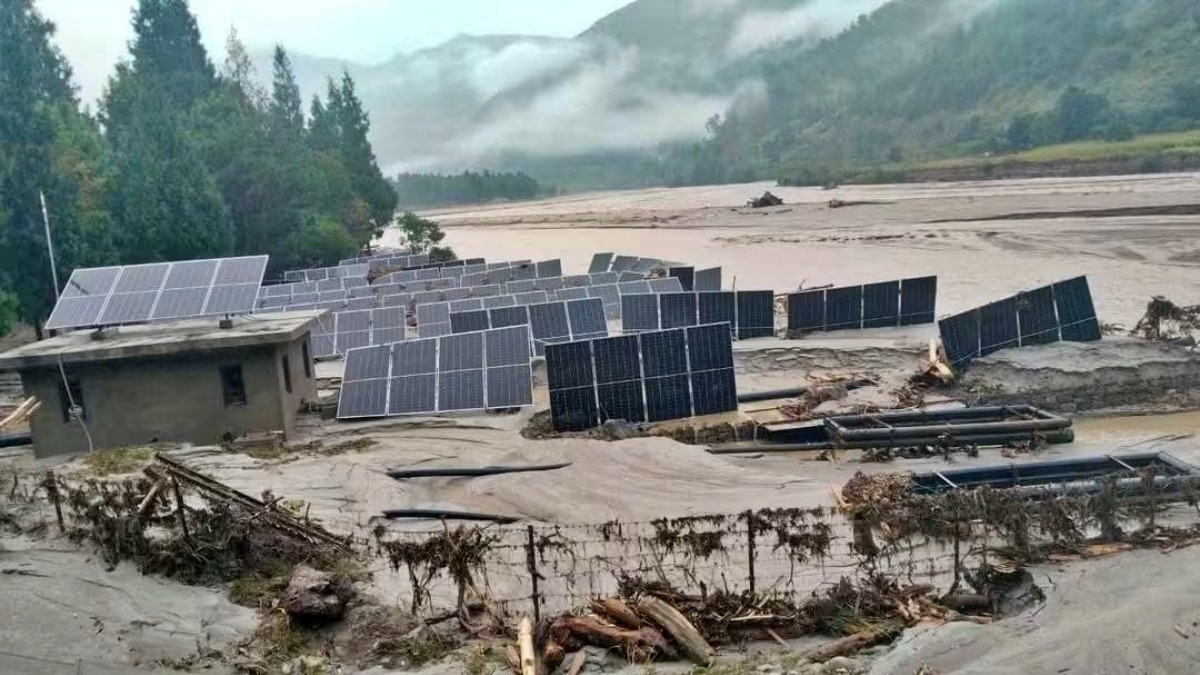
Glacial lake outburst floods occur when water trapped behind unstable moraine dams—natural barriers of rocky debris left by retreating glaciers—suddenly ruptures and releases massive volumes of water downslope. These events can unleash walls of water, rock, and debris that travel at high speeds across vast distances, devastating everything in their path.
Bhutan's Himalayan terrain hosts numerous glacial lakes formed as climate warming has accelerated ice melt across the region over recent decades. The Tibetan plateau and eastern Himalayan ranges, where many of Bhutan's glaciers originate, feed major river systems that flow into India, including tributaries of the Brahmaputra and other river networks that support millions of residents and critical infrastructure.
When a GLOF occurs in Bhutan, the resulting floods can surge across the border into Arunachal Pradesh and Assam within hours, threatening downstream villages, farmland, hydroelectric facilities, and transport links. India and Bhutan have worked together on monitoring systems and early warning protocols, though experts emphasize that infrastructure and preparedness measures remain inadequate across many vulnerable regions.
Climate scientists note that the frequency of GLOFs is expected to increase as glacial retreat continues, making adaptation planning essential. Both nations are investing in glacier monitoring networks and hazard mapping, while communities in downstream areas require enhanced warning systems and evacuation protocols to mitigate risks from these natural but increasingly common disasters.