World · India Bureau
Bihar's drug seizures expose alcohol ban's unintended consequences
Large-scale narcotics confiscations in Bihar reveal how prohibition has inadvertently created a vacuum filled by illegal drug trafficking. The state's stringent alcohol restrictions appear to be driving substance abuse toward harder drugs rather than deterring it.
LSN India ·
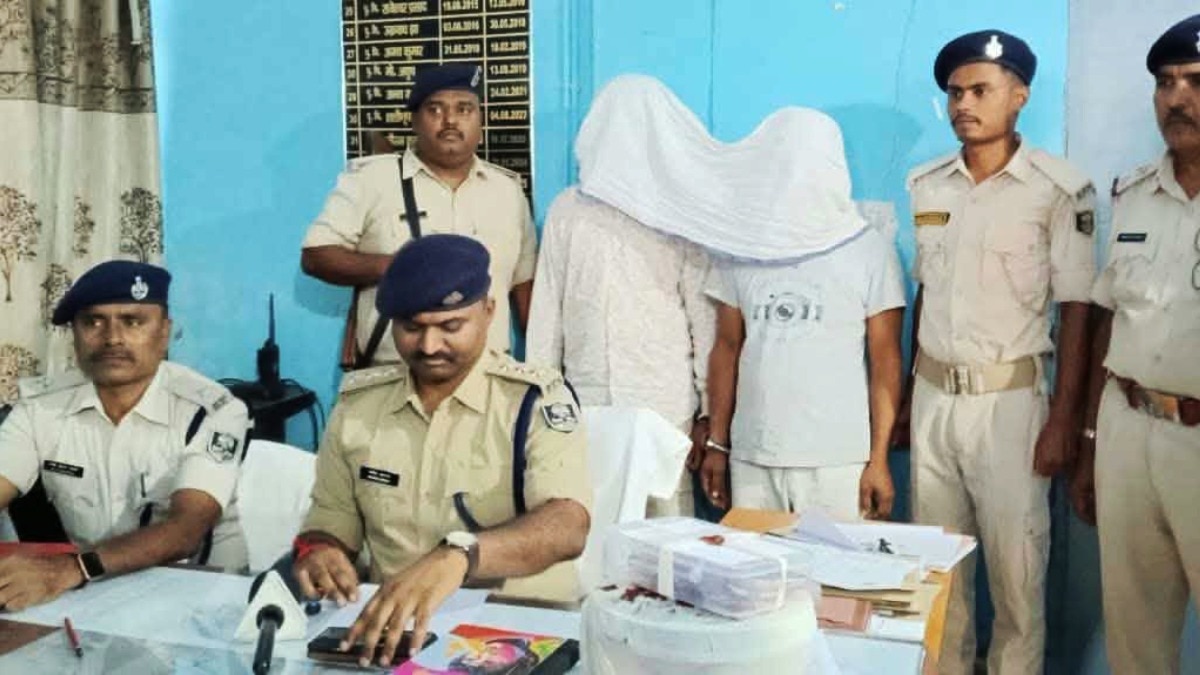
Bihar's escalating drug seizures present a paradox for India's only fully prohibition state, where strict alcohol bans have failed to prevent a flourishing underground market for controlled substances. Recent confiscations of significant quantities of narcotics suggest that rather than eliminating substance abuse, the prohibition regime may have redirected demand toward illegal drugs including heroin, cocaine, and synthetic compounds.
Law enforcement agencies in Bihar have reported record-breaking drug hauls in recent months, indicating sophisticated smuggling networks operating across state borders. The seizures span multiple drug categories and reveal distribution chains extending from international sources through regional hubs to local street-level dealers. Experts attribute the phenomenon partly to Bihar's unique legal landscape, where the complete absence of a legal alcohol market creates opportunities for organized criminal networks to establish alternative supply chains.
The state's prohibition framework, in place since 2016, was designed to improve public health and social outcomes. However, narcotics enforcement officials suggest that eliminating one substance has not reduced underlying demand for intoxicants but merely redirected it toward more dangerous alternatives. The accessibility and profitability of drug trafficking in a prohibition state have made Bihar an attractive operational base for national and international smuggling syndicates.
Authorities acknowledge the challenge of combating drug trafficking while maintaining prohibition, noting that border enforcement alone cannot address the issue. Drug control agencies are intensifying intelligence operations and inter-state coordination, though observers question whether enforcement-heavy approaches can succeed without addressing the broader market dynamics created by prohibition itself.