Business · India Bureau
Bihar's riverine communities face perilous boat journeys daily
Settlements across Bihar's Diara regions remain cut off from essential services, forcing residents to depend entirely on boat transport across swollen rivers. The dangerous crossings expose thousands to daily risks as they travel to farms, schools and markets.
LSN India ·
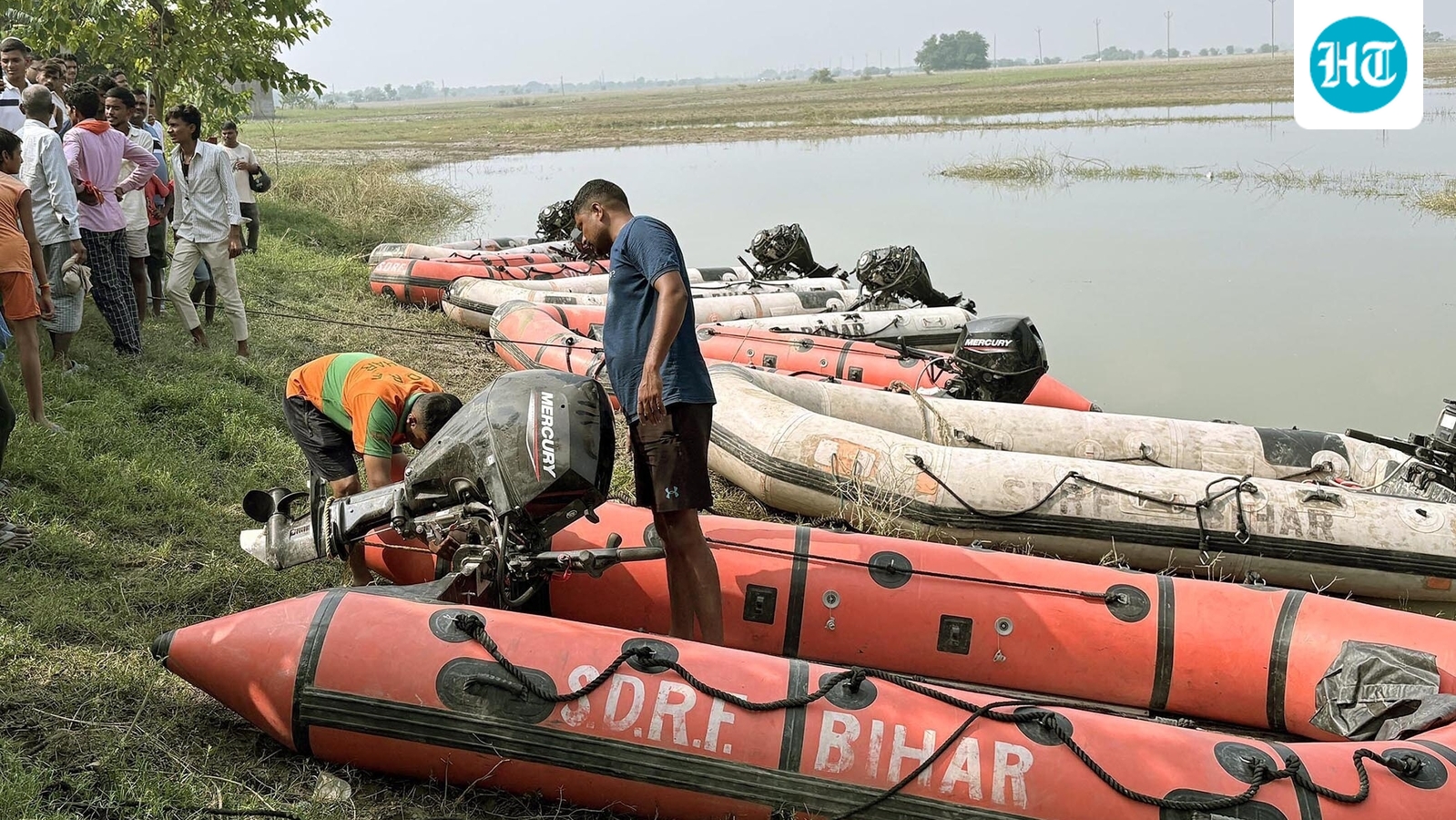
Across Bihar's network of major rivers—including the Ganga, Gandak, Kosi, and Ghaghra—thousands of residents in low-lying Diara settlements have no choice but to navigate waterways to access basic services. The riverine communities, isolated by geography and underdeveloped infrastructure, rely solely on boats for movement between their homes and surrounding areas.
This dependency transforms routine journeys into calculated risks. Residents, including schoolchildren and farmers, must cross these rivers regularly to reach educational institutions, agricultural fields, and commercial hubs. During monsoon seasons and periods of high water flow, the crossings become increasingly hazardous, with boats operating in treacherous conditions and limited safety provisions.
The Diara areas, characterized by their low elevation and proximity to river channels, experience seasonal flooding that further exacerbates isolation. Without adequate bridge infrastructure or alternative transportation networks, communities remain trapped in a cycle of vulnerability where essential daily activities become matters of survival.
Local authorities have acknowledged the challenge, yet comprehensive solutions remain elusive. The absence of modern transport connectivity in these settlements underscores broader infrastructure gaps across rural Bihar, leaving residents to continue their precarious river crossings as an unavoidable part of daily life.