Business · Malaysia Bureau
Bintulu's success contrasts sharply with Kemaman's underutilised port facility
Strategic investment has transformed Bintulu into a thriving regional port, while neighbouring Kemaman has remained largely dormant despite significant infrastructure development.
LSN Malaysia ·
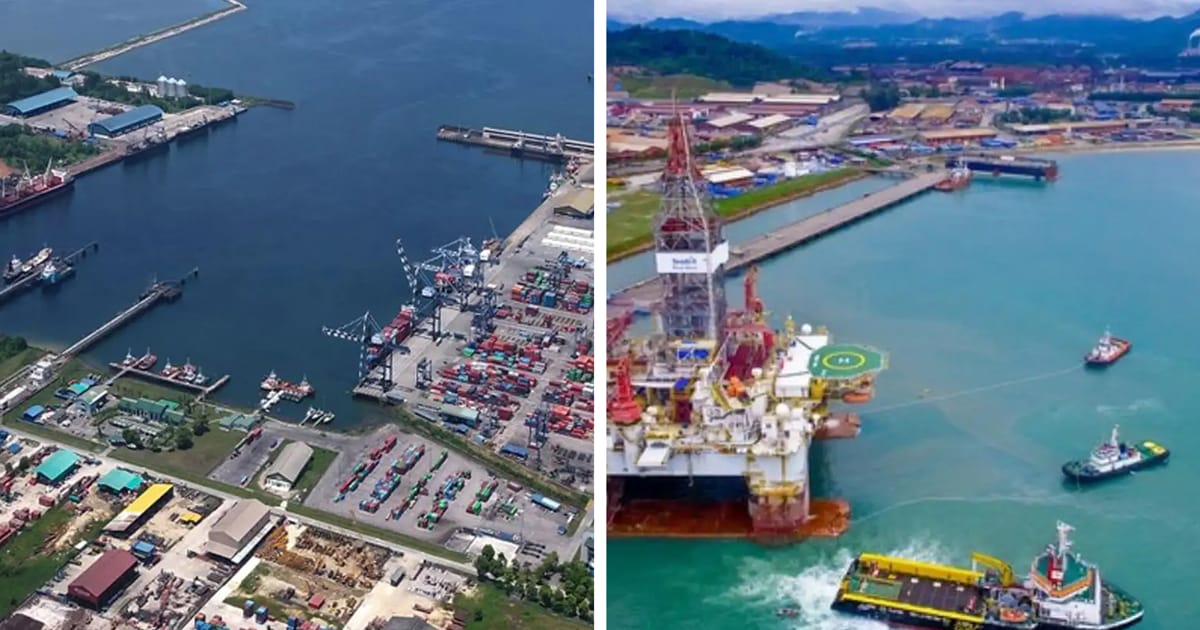
The divergent fortunes of Malaysia's two major ports highlight the critical importance of sustained commitment and strategic planning in maritime infrastructure development. Bintulu, located on the northern coast of Sarawak, has emerged as a model of port efficiency and economic growth following decades of consistent investment and operational focus. The port has become a vital hub for regional trade, attracting multiple industries and generating substantial economic benefits for the surrounding region.
In contrast, Kemaman's port facility in Terengganu has struggled to fulfil its potential despite significant capital expenditure on construction and development. The port has remained largely underutilised, with limited shipping activity and minimal economic contribution to the local area. Industry observers attribute the disparity to differences in management strategies, infrastructure planning, and regional economic development initiatives.
Bintulu's success demonstrates how disciplined investment in port infrastructure, coupled with effective operational management and strategic positioning within regional trade networks, can yield substantial returns. The port has successfully developed specialised facilities and attracted diverse cargo operations, from container handling to liquid bulk services.
Meanwhile, Kemaman's underperformance raises questions about resource allocation and long-term planning in national port development. The facility's limited connectivity to major shipping routes and insufficient industrial hinterland development have hindered its competitiveness. Stakeholders suggest that revitalising Kemaman would require renewed strategic focus and investment in broader regional economic development initiatives to create sustained demand for port services.