World · India Bureau
Biological control backfires: Released insects slash invasive tree populations
A biological control programme in Florida has demonstrated unexpected success in reducing populations of an invasive tree species through the release of Australian insects. The initiative saw the tree's range contract by approximately 75 per cent.
LSN India ·
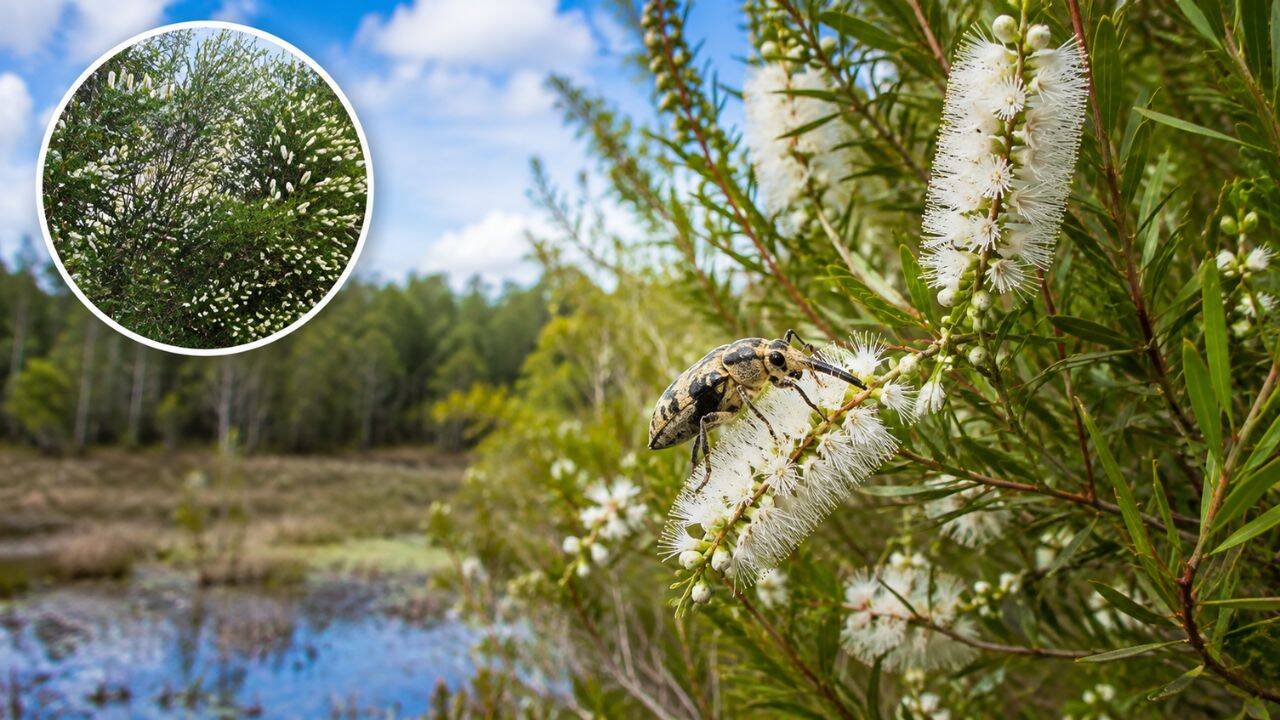
Florida's Department of Agriculture and Consumer Services implemented an innovative pest management strategy by introducing Australian insects specifically adapted to target an invasive tree species that had proliferated across the state. The biological control approach, which leveraged natural predators from the tree's native habitat, has yielded remarkable results in containing the infestation.
The programme marked a significant departure from conventional herbicide and mechanical removal methods that had proven costly and labour-intensive. By releasing the Australian insects—which feed on or parasitise the invasive tree—officials aimed to establish a self-sustaining ecological balance that would gradually suppress the species' expansion.
Monitoring data has confirmed the strategy's effectiveness, with the invasive tree's geographic range contracting substantially since the insects' introduction. The 75 per cent reduction in affected territory represents one of the most successful biological control initiatives undertaken in the region, according to state agricultural officials.
The Florida initiative offers valuable lessons for other regions grappling with invasive species infestations. Scientists note that the success underscores the potential of carefully selected biological control agents to manage environmental threats when introduced with proper scientific oversight and ecological assessment.