Business · India Bureau
Biological control backfires: US weevil decimates native thistle species
A decades-old experiment in pest management has revealed the risks of introducing non-native species for agricultural control. A weevil released to combat invasive musk thistle in the early 1970s subsequently attacked native thistle varieties, threatening endangered plant populations.
LSN India ·
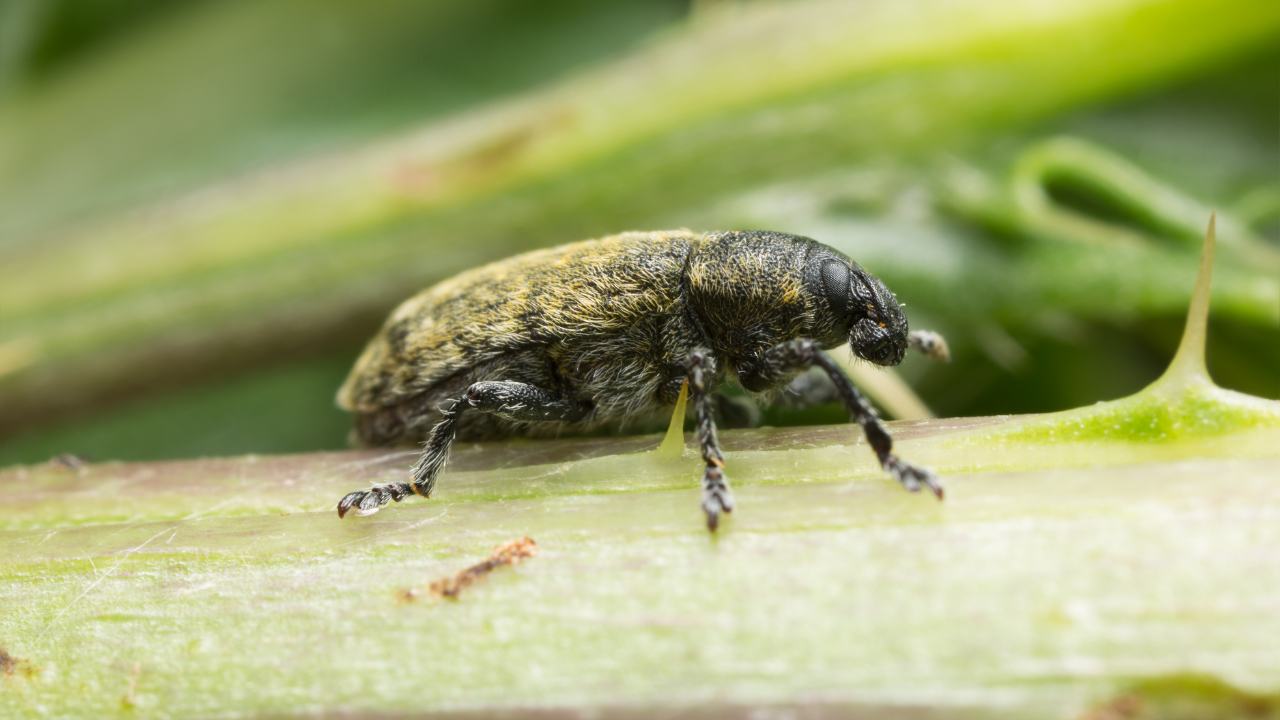
Between 1969 and 1972, United States authorities released a species of weevil as part of a biological control programme designed to manage the spread of musk thistle, an invasive plant species. The initiative appeared straightforward in concept: deploy a natural predator to suppress an unwanted invasive species without resorting to chemical pesticides.
However, the programme produced unintended consequences that have persisted for decades. The weevil, rather than limiting itself to musk thistle alone, expanded its feeding habits to encompass native thistle species found across North American ecosystems. This dietary shift proved particularly damaging to local flora, including rare and endangered thistle varieties.
Among the affected species was an endangered thistle variety that experienced a significant decline in seed production following the weevil's establishment. Researchers have documented the ecological damage resulting from the insect's broader feeding patterns, demonstrating that the thistle populations that evolved without exposure to this predator lacked natural defences against it.
The case exemplifies the critical challenges inherent in biological control programmes. While such initiatives offer potential alternatives to synthetic pesticides, they demand rigorous testing and careful ecological assessment before implementation. Experts emphasise that introducing any non-native organism into an ecosystem carries substantial risks, as the long-term behavioural patterns of introduced species cannot always be predicted with precision.
Conservationists now point to this episode as a cautionary precedent for future invasive species management programmes, highlighting the necessity for comprehensive pre-release studies and ongoing monitoring protocols.