World · India Bureau
Biological control measure sparks disease outbreak in wildlife ecosystems
A decades-long effort to control invasive weeds through biological means has triggered an unexpected public health crisis. The introduction of gall flies to combat spotted knapweed has inadvertently created conditions favouring the spread of hantavirus among rodent populations.
LSN India ·
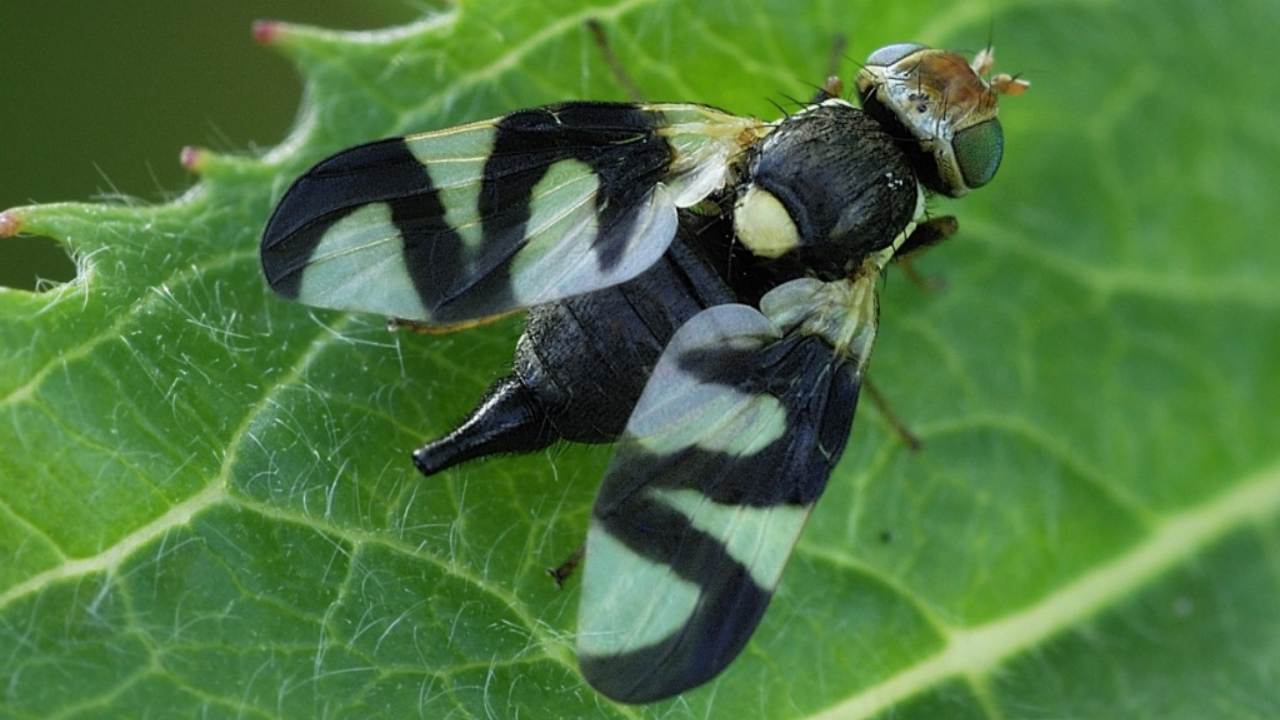
What began as an innovative solution to an agricultural problem has evolved into a cautionary tale about unintended ecological consequences. In 1973, Montana authorities released gall flies as a biological control agent against the invasive spotted knapweed plant. The strategy initially appeared successful, with the insects helping to suppress the weed's spread across Western rangelands.
However, researchers have now documented a troubling chain reaction set in motion by this intervention. The gall flies, which feed on knapweed, have become a crucial winter food source for deer mice populations in affected regions. This abundance of food has led to a dramatic surge in mouse numbers in areas dense with knapweed, researchers noted.
The population explosion among deer mice has created ideal conditions for the transmission of hantavirus, a serious pathogen carried by rodents. Epidemiological data reveals that areas with heavy knapweed coverage now report significantly higher rates of infected mice compared to regions dominated by native grasslands. The virus poses potential risks to human populations living in proximity to these ecosystems.
The situation underscores the complex nature of ecological systems and the challenges inherent in introducing non-native species for pest management. Scientists are now grappling with the difficult task of balancing the benefits of knapweed control against the public health risks posed by the resulting rodent population dynamics. The case serves as a reminder that interventions in natural systems often produce consequences that extend far beyond their intended scope.