World · India Bureau
Biological control moth becomes invasive threat to native cacti
A South American moth introduced to combat invasive prickly pear plants has itself become a pest, threatening native cactus species across North America. The unintended ecological consequence highlights the risks of biological control programs.
LSN India ·
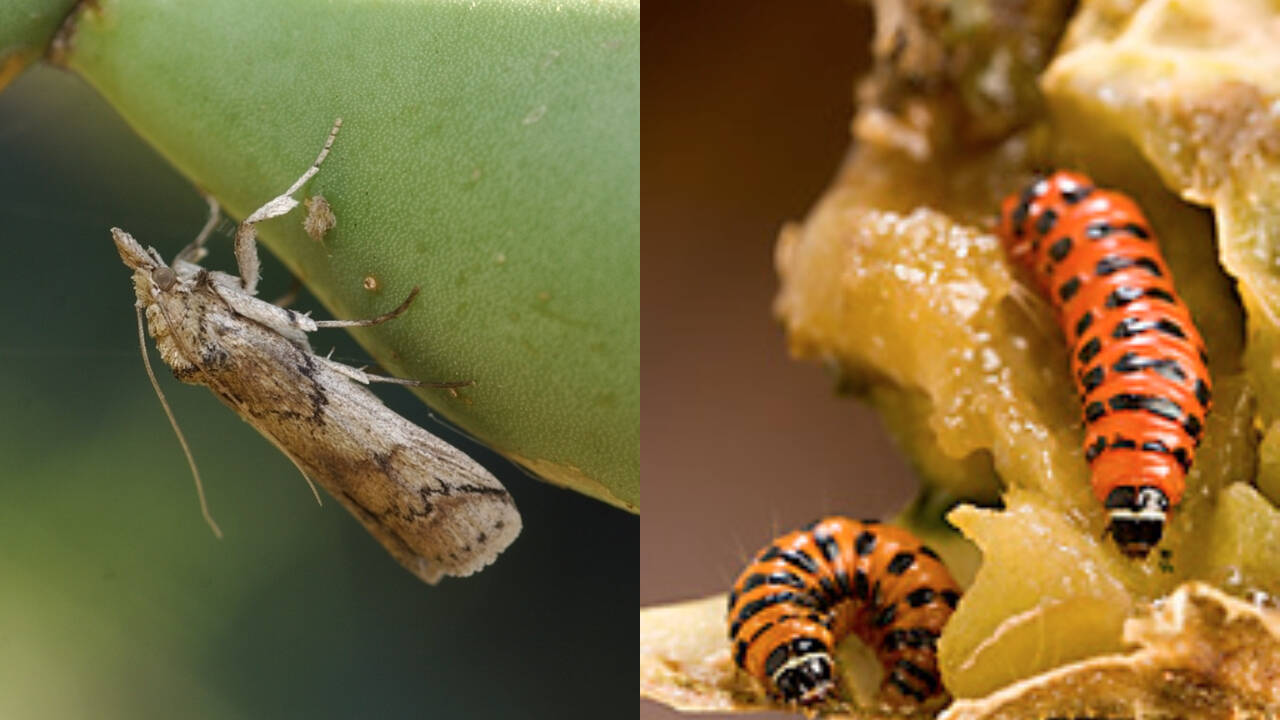
A moth species imported from South America to control the spread of invasive prickly pear cacti has emerged as a new environmental threat, endangering native cactus populations across the United States. The insect, introduced as a biological control measure, has adapted so successfully to its new habitat that it now poses risks to non-target plant species.
Biological control initiatives, designed to manage invasive species through natural predators or parasites, have long been considered an environmentally friendly alternative to chemical pesticides. However, the prickly pear moth case demonstrates the potential pitfalls of such programs when non-native organisms establish themselves in novel ecosystems with insufficient natural checks on their populations.
Ecologists have raised concerns that the moth's appetite for cacti extends beyond the problematic prickly pear species it was meant to target. Several native cactus varieties, which play important ecological roles in arid and semi-arid regions, now face pressure from the expanding moth population.
The situation underscores the complexity of ecosystem management and the importance of rigorous pre-release assessments for biological control agents. Environmental scientists are now evaluating strategies to contain the moth's spread and protect vulnerable native cactus species while maintaining some control over the original invasive prickly pear problem.
This case serves as a cautionary tale for conservation efforts worldwide, illustrating how solutions to one environmental problem can inadvertently create new ecological challenges if not carefully implemented and monitored.