Culture & Entertainment · India Bureau
Bison grazing doubles native plant diversity in Kansas grasslands
A three-decade study in Kansas has demonstrated that reintroducing bison to native prairie significantly increases plant species richness, offering insights for ecological restoration efforts across grassland regions.
LSN India ·
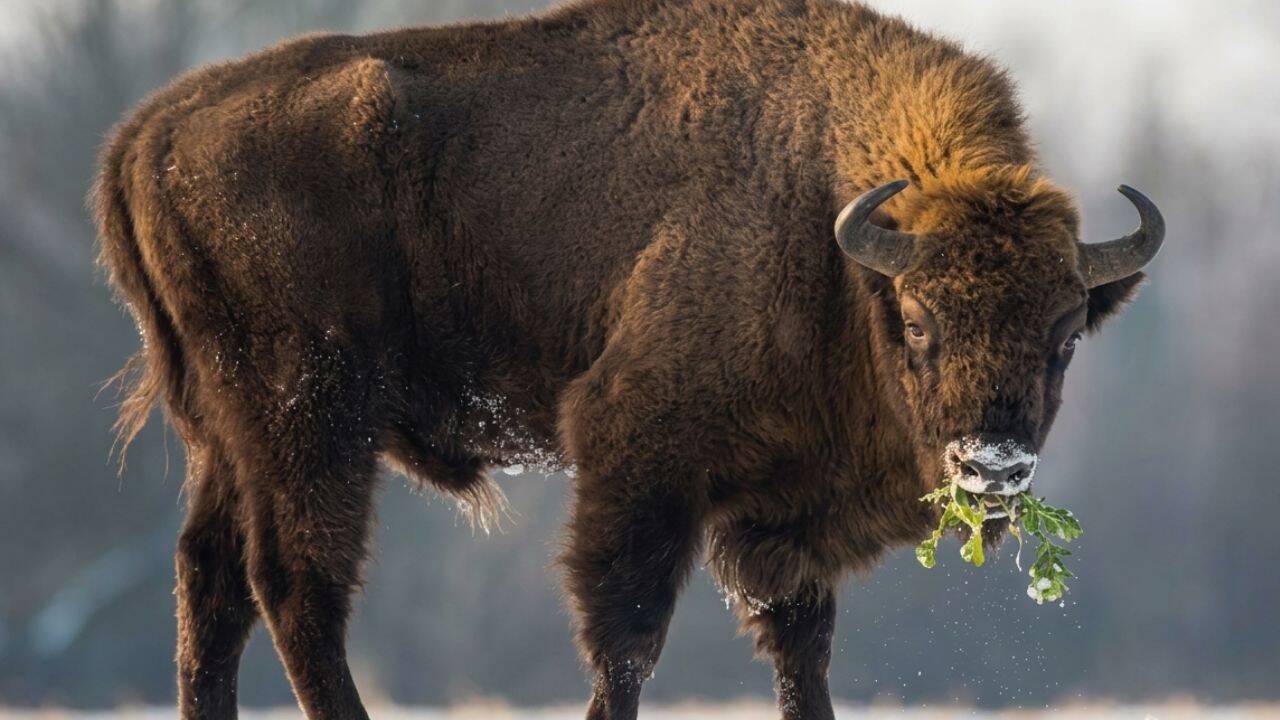
Researchers tracking a herd of 30 bison reintroduced to Konza Prairie in Kansas in 1987 have documented a dramatic increase in native plant biodiversity over the subsequent 29 years. The long-term ecological study found that grazing by the bison was associated with a 103 percent rise in native plant species richness at local study sites and an 86 percent increase across broader catchment areas.
The findings underscore the ecological role large herbivores play in maintaining grassland health and diversity. Bison, which historically roamed North American prairies in vast numbers before near-extinction, shape vegetation through selective grazing patterns that prevent the dominance of certain plant species and create conditions favourable for a wider variety of flora.
The research also revealed the resilience of these gains, with native plant diversity recovering even after the region experienced a severe drought during the study period. This suggests that bison-grazed grasslands may be more robust to environmental stresses than ungrazed prairie systems.
The study adds scientific weight to conservation strategies that aim to restore native prairie ecosystems across North America. Wildlife managers and conservation organisations increasingly view large herbivore reintroduction as a cost-effective tool for reversing biodiversity loss in grassland habitats, with applications potentially extending to similar ecosystems in other regions.