World · India Bureau
BJP finds Gen Z voters lack unified identity, shifts outreach strategy
Senior BJP leaders have concluded that Generation Z voters cannot be treated as a monolithic bloc, prompting the party to reconsider its messaging approach to younger Indians. The strategic reassessment suggests the party may abandon generational labels in favour of age-specific or broader youth-focused outreach.
LSN India ·
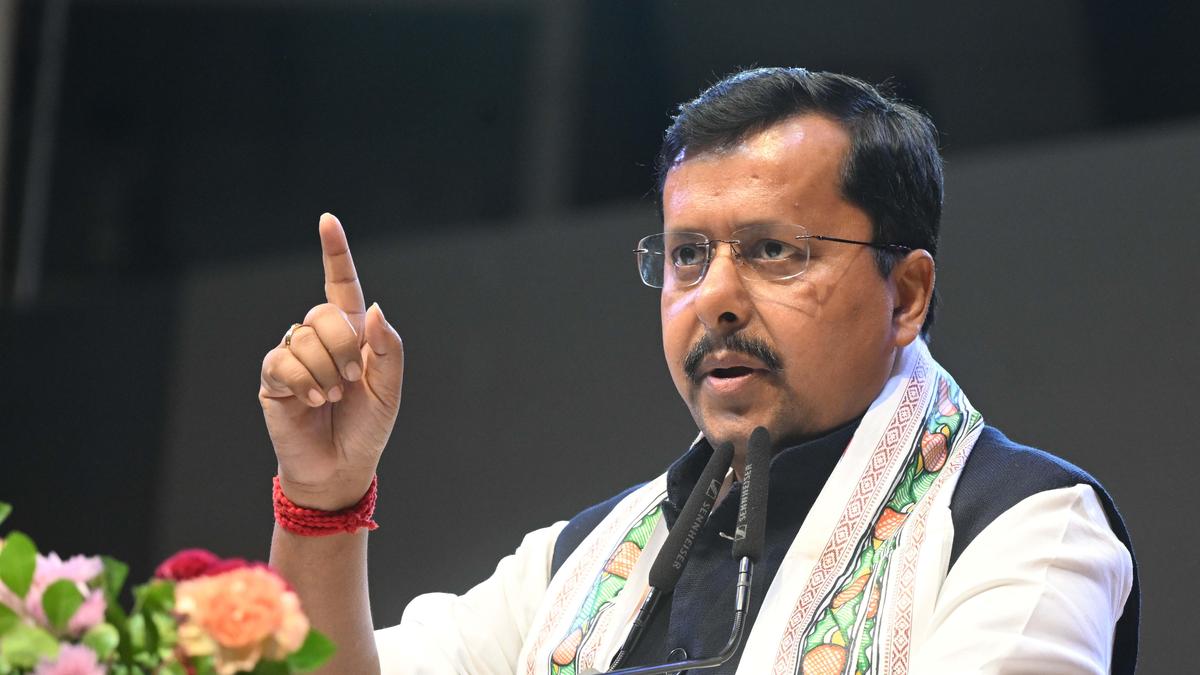
The Bharatiya Janata Party has completed an internal review of its outreach efforts to younger voters, concluding that Generation Z presents a fragmented demographic rather than a cohesive voting bloc. The finding has prompted party strategists to reconsider terminology and messaging frameworks used to engage with India's youngest eligible voters.
Participants in the party meeting highlighted the heterogeneity within the generational cohort, noting that younger voters hold diverse interests, aspirations and political priorities that defy unified categorisation. This realisation has led several senior leaders to advocate for abandoning the catch-all "Gen Z" terminology in party communications and policy discussions.
Instead, party strategists have proposed employing the broader descriptor "youth" or segmenting younger voters into specific age brackets for targeted engagement. The approach would allow the BJP to tailor messaging and policy positions to the distinct concerns of different age groups rather than applying a single strategy across the entire younger voter base.
The shift reflects broader challenges facing Indian political parties in connecting with increasingly diverse younger voters whose preferences span urban and rural areas, varied educational backgrounds and different economic circumstances. How the BJP implements these findings in its electoral and organisational strategy remains to be seen as the party prepares for upcoming state and national elections.