World · India Bureau
BJP maintains tight control over emerging party leadership ranks
India's ruling Bharatiya Janata Party employs centralized decision-making structures to manage ambitious younger politicians, limiting their autonomy in key party decisions and public positioning.
LSN India ·
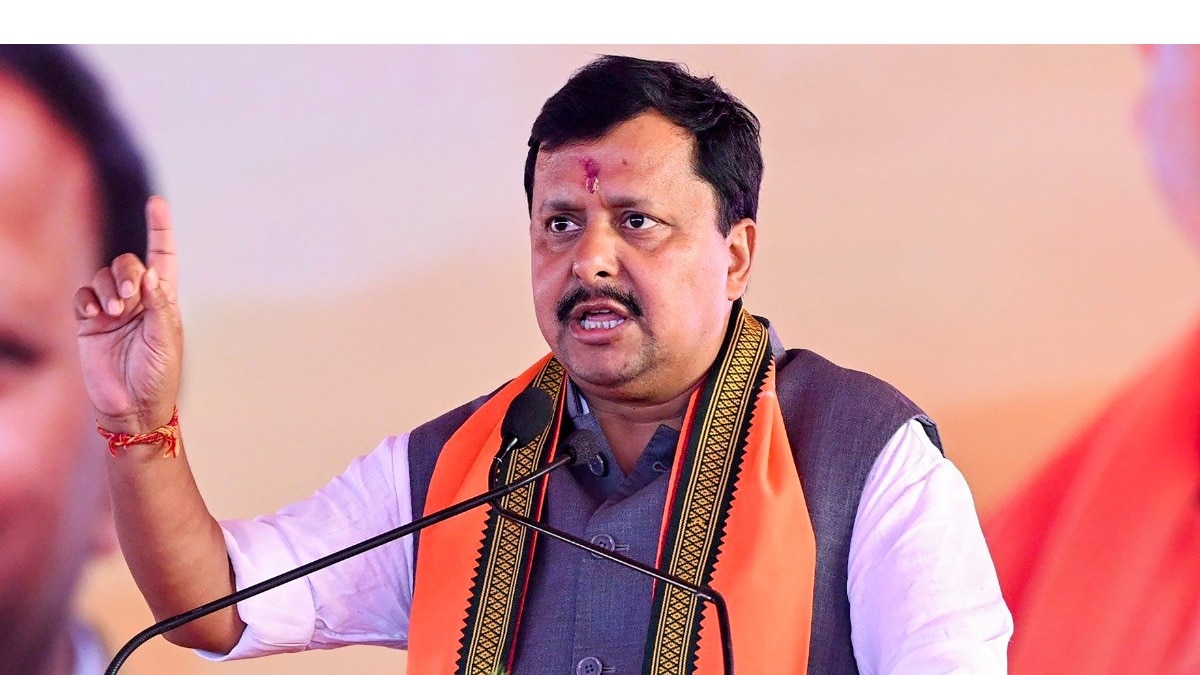
The BJP's organizational structure reflects a hierarchical approach to managing its political cadre, with senior party leadership maintaining significant oversight of junior leaders' activities and public statements. This control mechanism extends across candidate selection, policy pronouncements, and media engagement, according to observers of Indian party politics.
Younger BJP leaders seeking advancement within party ranks face considerable constraints on independent action. The party apparatus requires coordination through multiple approval layers before public initiatives, limiting the scope for individual political entrepreneurs to build separate constituencies or establish distinct policy platforms.
This centralized model contrasts with some competitor parties, which grant greater autonomy to regional and state-level leaders. The BJP's approach aims to ensure message consistency and prevent fractious internal competition, though it may limit the development of independent leadership brands within the party.
Party insiders suggest the structure serves multiple functions: maintaining party discipline, protecting the organization from factional conflicts, and ensuring alignment with top leadership priorities. The system has proven effective in consolidating party control during elections, though management of succession planning and leadership development remains an ongoing organizational challenge for India's largest political party.