World · Bangladesh Bureau
BNP government faces three structural governance challenges
Political analysts have identified three critical fault lines that could undermine the stability of Bangladesh's newly formed BNP-led government. These structural vulnerabilities span institutional, political, and administrative dimensions.
LSN Bangladesh ·
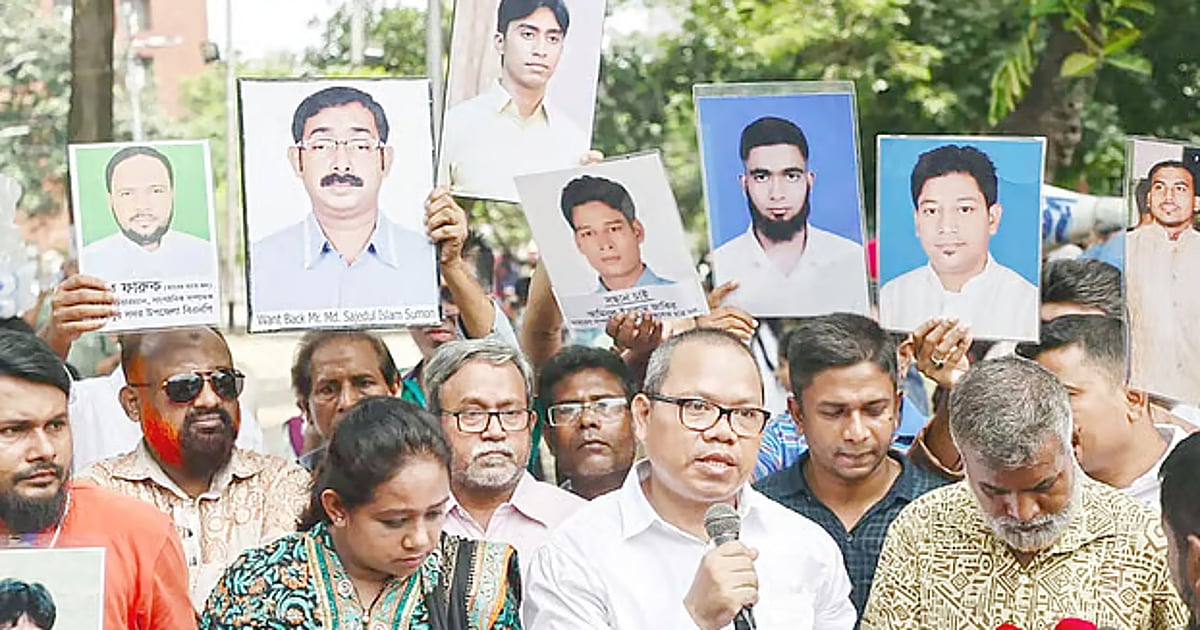
The Bangladesh Nationalist Party administration confronts three significant governance challenges that require careful navigation, according to observers monitoring political developments in Dhaka. The first fault line involves the government's relationship with state institutions, particularly the judiciary and security apparatus, which require careful calibration to maintain public confidence while asserting civilian authority.
The second critical pressure point centers on coalition politics and intra-party dynamics. The BNP must balance competing interests within its own ranks while managing alliances with coalition partners, a task complicated by the legacy of previous political tensions and competing visions for governance priorities.
A third structural vulnerability relates to economic and administrative capacity. The government inherits significant fiscal pressures and bureaucratic challenges that demand swift, coordinated responses. Managing public expectations during a complex transition period while addressing urgent economic concerns presents a sustained test of governmental effectiveness.
These interconnected challenges suggest the new administration must demonstrate both strategic clarity and tactical flexibility. Success in managing these fault lines will likely determine not only the government's immediate political viability but also its ability to deliver on its policy agenda during what observers expect to be a critical formative period.