Politics · Singapore Bureau
BOJ rate hike unlikely to reverse yen weakness, analysts warn
Japan's central bank lifted its policy rate to 1.25 per cent on September 18, but currency specialists say structural headwinds will keep the yen under pressure despite the tightening move.
LSN Singapore ·
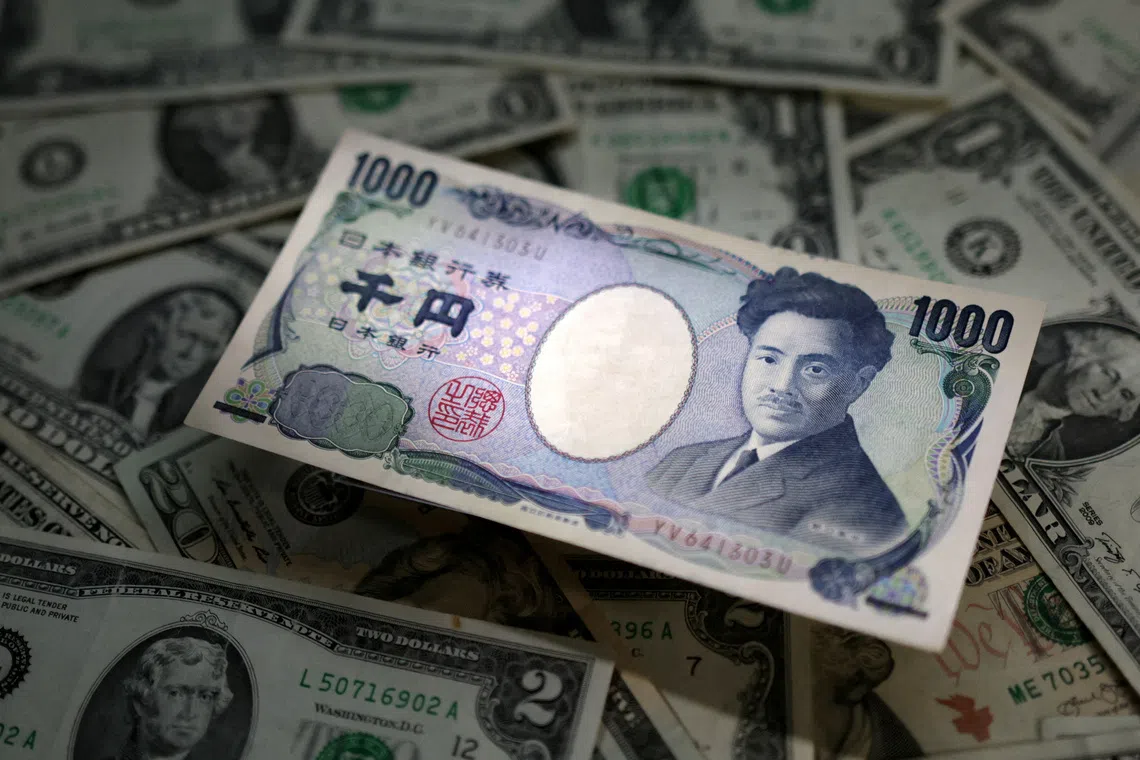
The Bank of Japan's decision to raise its benchmark rate by 25 basis points marks a continuation of its gradual monetary normalisation, yet market analysts remain unconvinced the move will significantly bolster the yen's flagging performance against major currencies.
The rate increase, bringing the BOJ's policy rate to 1.25 per cent, reflects the central bank's assessment that Japan's economy can withstand slightly tighter financial conditions. However, observers note that Japan's rates remain substantially lower than those prevailing in the United States and other advanced economies, limiting the yen's appeal to international investors seeking higher yields.
The persistent interest rate differential between Japan and other major economies continues to underpin long-term depreciation pressure on the yen. This structural imbalance, combined with Japan's demographic challenges and modest growth outlook, suggests currency weakness will persist regardless of incremental rate adjustments.
Analysts point out that the BOJ's cautious approach to tightening contrasts sharply with the more aggressive stance adopted by the U.S. Federal Reserve and other central banks. Until Japan's rates converge more substantially with global benchmarks, the yen is likely to remain vulnerable to selling pressure, particularly during periods of risk appetite in financial markets.
The BOJ's gradual tightening trajectory appears calibrated to avoid destabilising Japan's economy, but market participants suggest stronger policy action would be needed to meaningfully reverse the yen's downtrend.