World · India Bureau
Bollywood star draws ancient Hindu parallel to Musk's flying car concept
Indian actor Ranveer Kapoor has compared Elon Musk's autonomous flying vehicle to the Pushpak Vimaan, the legendary aircraft from Hindu mythology, suggesting India conceptualized such technology thousands of years ago.
LSN India ·
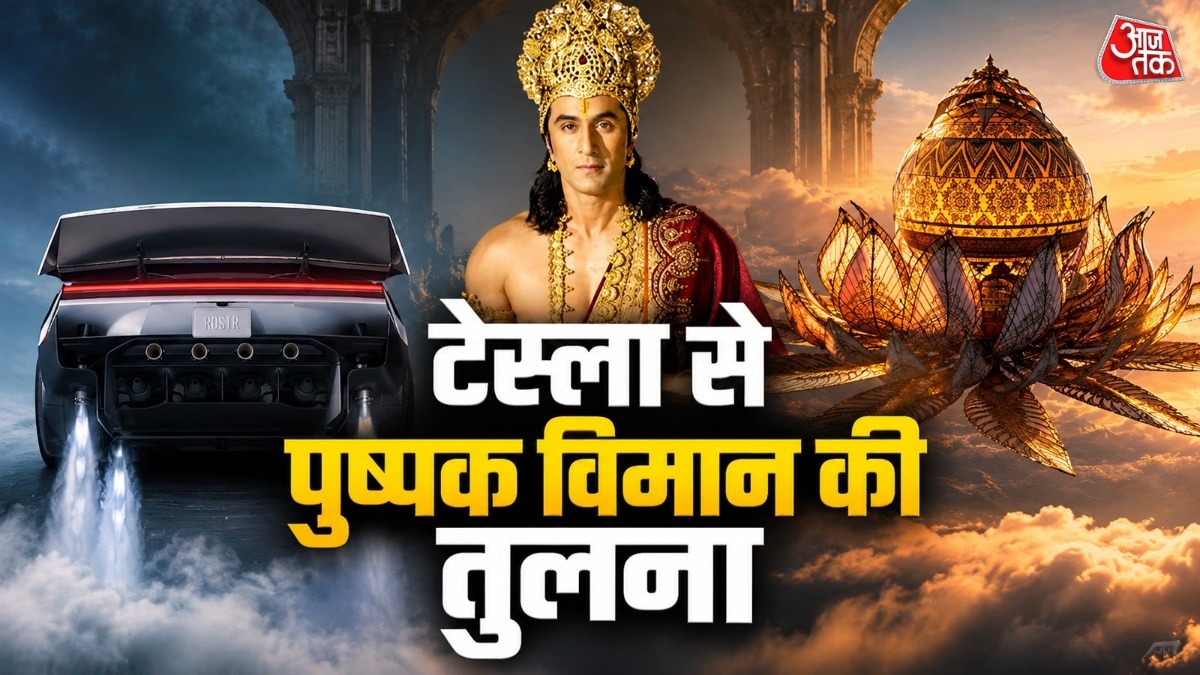
Ranveer Kapoor, a prominent figure in Indian cinema, has weighed in on Elon Musk's ongoing development of flying car technology, drawing a cultural and historical parallel to ancient Indian texts. The actor noted similarities between Musk's futuristic vehicle and the Pushpak Vimaan, a mythological aircraft described in Hindu scriptures and the Ramayana.
Kapoor's remarks reflect a broader cultural commentary suggesting that concepts resembling modern aerial transportation were already imagined in Indian civilization centuries ago. The Pushpak Vimaan is depicted in ancient texts as a self-piloting vehicle capable of autonomous flight, owned by the demon king Ravana before being reclaimed in Hindu mythology.
Musk's electric vehicle division has been exploring autonomous aerial mobility solutions as part of the broader push toward sustainable transportation. The comparison highlighted by Kapoor underscores growing interest in how ancient Indian philosophical and literary traditions have addressed themes later adopted by contemporary technology innovators.
The actor's comments align with recent discourse in India examining the intersection of ancient wisdom and modern technological advancement, particularly regarding innovations in transportation and autonomous systems.