Politics · India Bureau
Bombay High Court rejects bail plea in lynching case, affirms rule of law
The court dismissed arguments that the victim's criminal history justified mob violence, underscoring that only the legal system has authority to punish offences. The judgment reinforces judicial commitment to preventing vigilante justice in the state.
LSN India ·
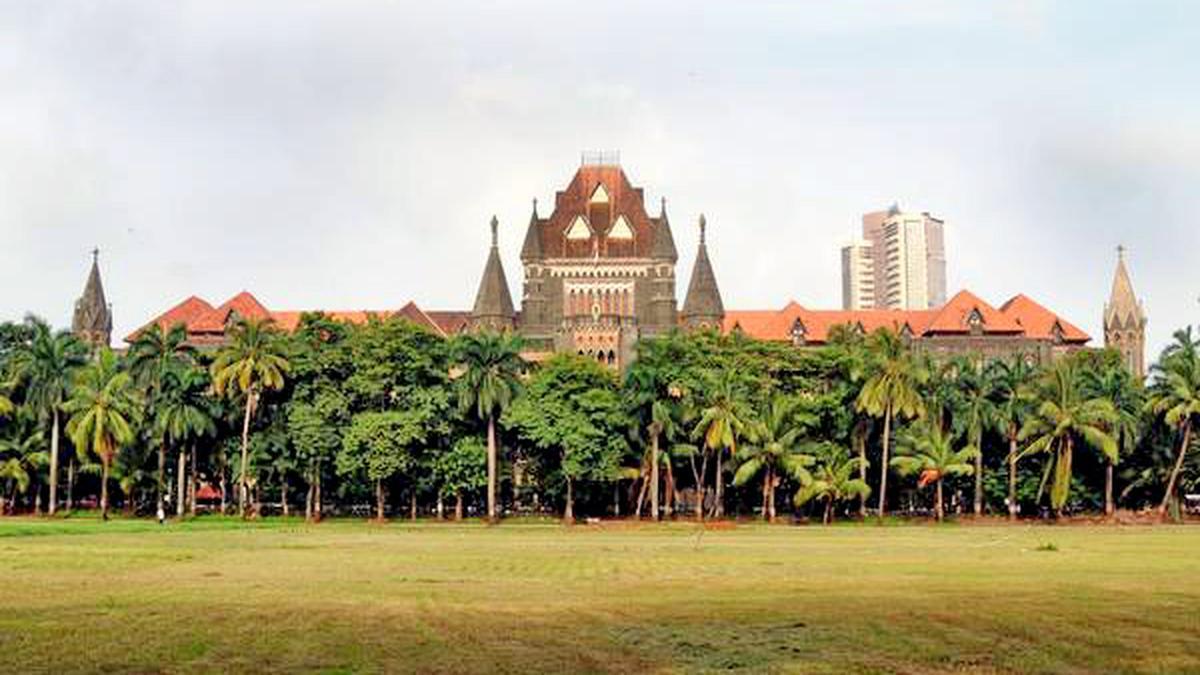
The Bombay High Court has denied bail in a lynching case while firmly rejecting the contention that the victim's criminal antecedents could justify extrajudicial violence. In its order, the court emphasized that regardless of an individual's past record, only the law and judicial process are empowered to determine punishment for alleged crimes.
The defence had argued that since the victim was a history-sheeter with prior criminal convictions, the circumstances surrounding the alleged lynching warranted a more lenient approach to bail consideration. The court, however, found this reasoning untenable, reaffirming the constitutional principle that vigilante justice and mob violence cannot be tolerated under any circumstances.
The judgment underscores the judiciary's position that personal grievances or a victim's criminal history cannot serve as justification for taking the law into one's own hands. The court stressed that allowing such arguments would effectively undermine the rule of law and create a precedent for mob justice across the country.
The order comes amid ongoing concerns about lynching incidents in various parts of India, where mobs have attacked individuals based on unverified accusations or personal disputes. Legal experts view the High Court's stance as an important affirmation of constitutional protections and the sanctity of the judicial process in determining guilt and punishment.