Politics · India Bureau
Bombay High Court upholds right to protest, declines to restrain Jarange Patil's march
A senior bench of the Bombay High Court has rejected a plea to restrict activist Manoj Jarange Patil's planned march, affirming citizens' constitutional right to peaceful protest. The court's decision underscores the judiciary's recognition of fundamental freedoms even as public demonstrations draw scrutiny.
LSN India ·
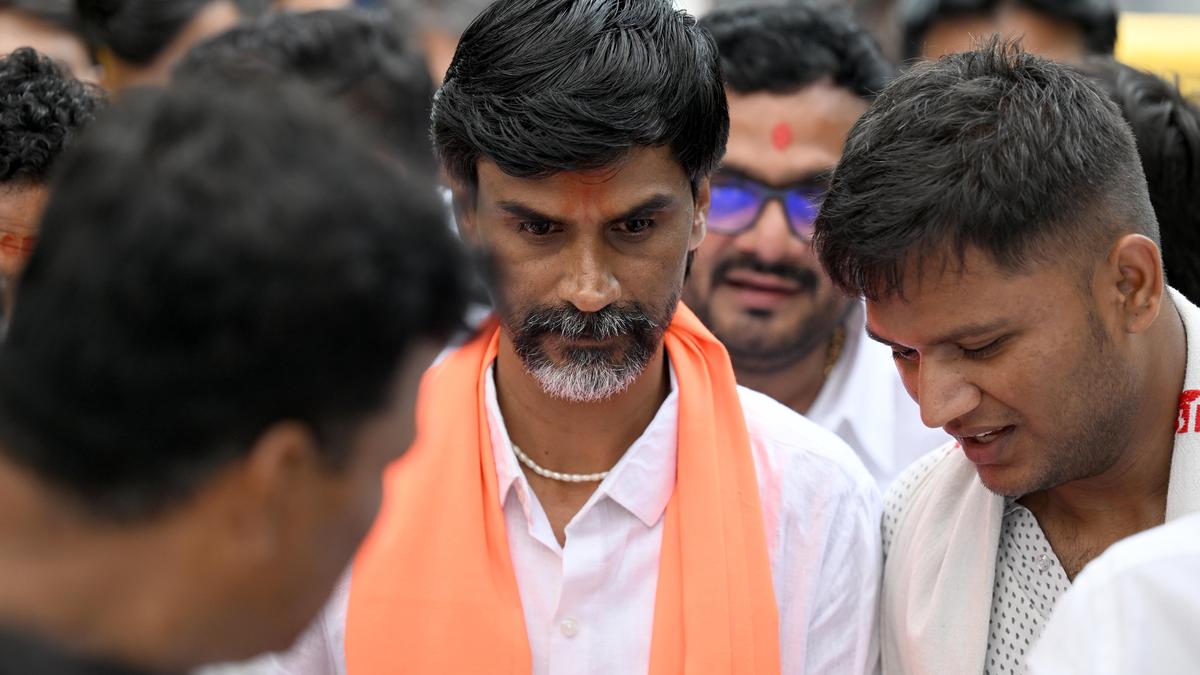
The Bombay High Court has refused to issue a restraining order against activist Manoj Jarange Patil's scheduled march, with a bench led by Chief Justice Mahesh Chandra Tripathi and Justice Advait Sethna emphasizing the constitutional right to peaceful assembly and protest.
The court's order comes in response to a petition seeking to block the march, which had raised concerns among petitioners. However, the bench determined that such restrictions would infringe upon fundamental rights guaranteed under the Indian Constitution.
Chief Justice Tripathi and Justice Sethna noted that while public order and security remain important considerations, the right to protest is a cornerstone of democratic participation. The court's reasoning reflects established judicial precedent that restrictions on demonstrations must be narrowly tailored and based on substantial grounds of public safety.
The judgment reinforces the balance courts attempt to maintain between protecting citizens' fundamental freedoms and addressing legitimate concerns about public order. Jarange Patil, known for his activism on social and political issues, is now free to proceed with the planned march as scheduled.
The decision is likely to set a precedent for similar petitions challenging protest activities in the state, reaffirming that mere apprehension of disruption is insufficient grounds for preventive judicial intervention against constitutionally protected forms of expression.