Politics · India Bureau
Book bans raise fundamental questions about democracy: Omar Abdullah
The National Conference leader argues that censorship decisions should not rest solely with elected governments, raising broader concerns about democratic governance in India.
LSN India ·
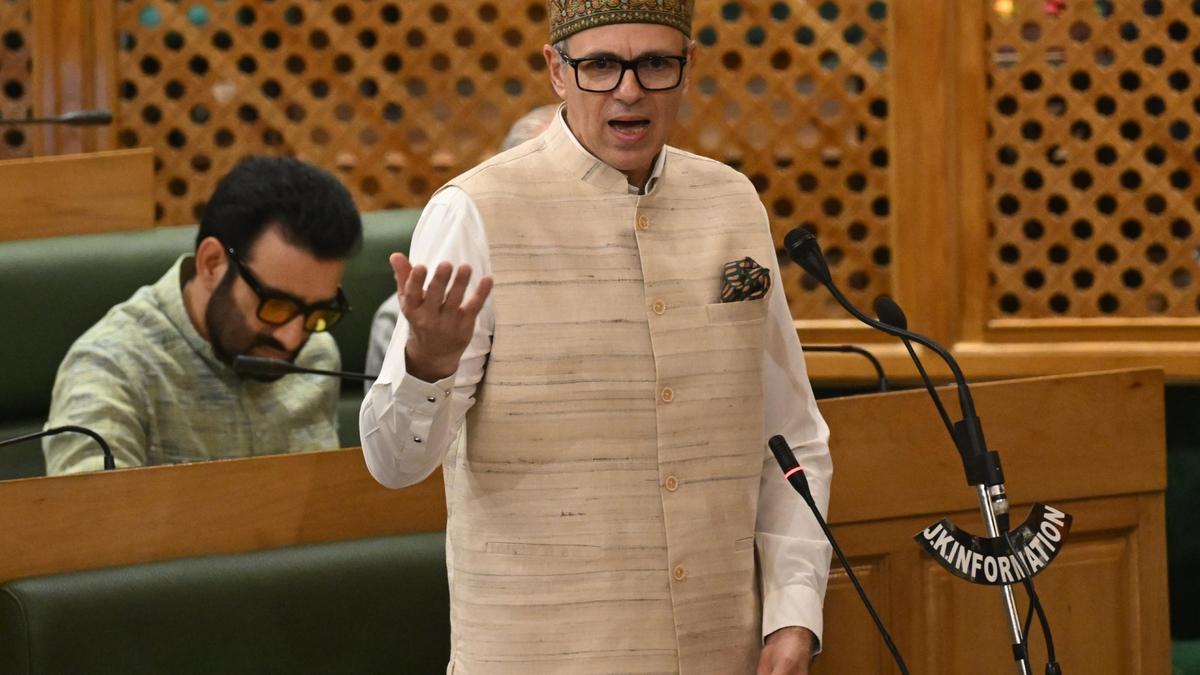
National Conference president Omar Abdullah has flagged concerns about book banning practices, contending that such decisions raise fundamental questions about the health of democratic institutions. Abdullah said that under constitutional frameworks, elected governments alone should not have the authority to determine which books citizens can access, suggesting that broader institutional checks are necessary.
The former Jammu and Kashmir chief minister's remarks come as India continues to grapple with questions around intellectual freedom and state censorship. His intervention highlights tensions between executive authority and individual liberties in the Indian democratic system.
Abdullah's position reflects broader concerns among opposition leaders and civil society groups about the scope of government power in regulating public discourse and access to information. The issue underscores ongoing debates about where the line should be drawn between legitimate state interests and the protection of citizens' right to access diverse viewpoints.
The question of who decides on book bans—and through what process—remains contested terrain in Indian politics, with various stakeholders arguing for clearer, more transparent mechanisms for such decisions.