World · Singapore Bureau
Borneo wildfires trigger respiratory crisis across Indonesian provinces
More than 300,000 people across seven Indonesian provinces fell ill with respiratory infections as widespread fires blanketed the island with hazardous smoke from August through October. The health emergency underscores the severe impact of seasonal burning on regional air quality and public health.
LSN Singapore ·
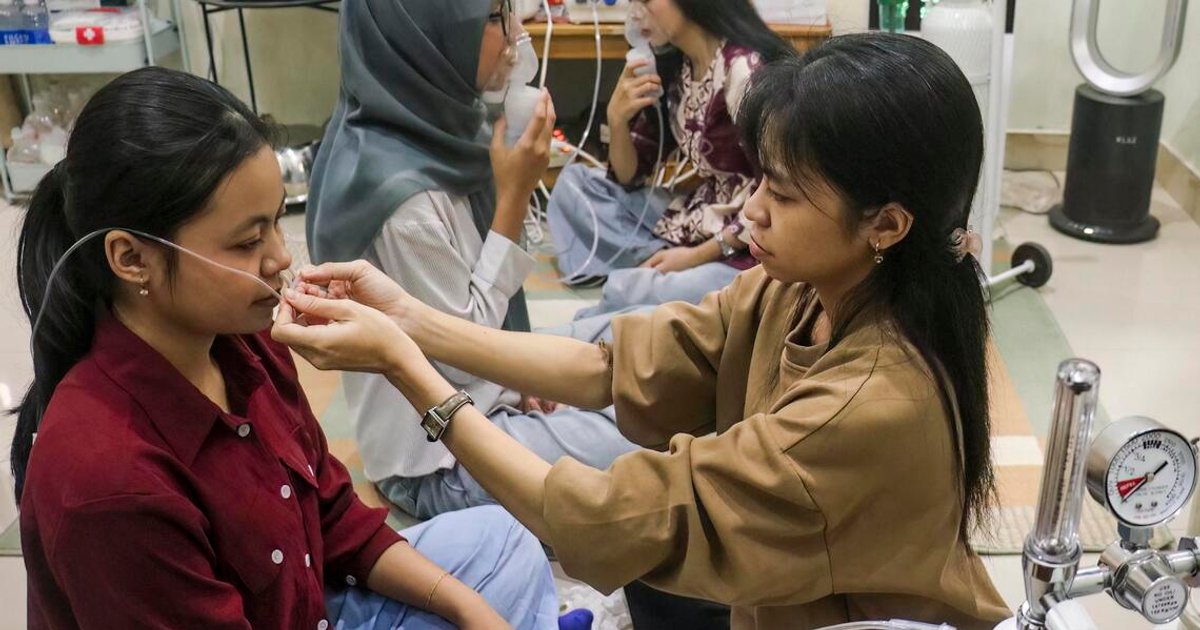
Respiratory infections surged across Borneo during the three-month period, with over 300,000 cases recorded spanning seven Indonesian provinces. The spike coincided with the island's dry season, when agricultural burning and uncontrolled wildfires released thick smoke into the atmosphere, degrading air quality across affected regions.
The respiratory outbreak affected communities throughout the island, straining healthcare facilities already managing the dual pressures of wildfire response and disease control. Residents reported breathing difficulties, coughing, and other symptoms consistent with smoke inhalation and related infections, as the haze persisted over populated areas.
The incident highlights the recurring public health risks posed by Indonesia's seasonal burning practices and forest fires. Agricultural clearance through fire remains common in parts of Borneo despite environmental and health consequences, contributing to transboundary haze that affects air quality across Southeast Asia during peak burning months.
Indonesian health authorities have not detailed specific prevention measures or medical response efforts undertaken during the outbreak period. Environmental and public health experts continue to advocate for stricter regulation of burning practices and early intervention strategies to mitigate future health crises linked to seasonal fires.