Politics · Malaysia Bureau
Bosnia heads to polls amid persistent ethnic tensions
Bosnian voters are casting ballots across multiple government levels in elections shaped by deep ethnic divisions that have defined the country since its 1995 peace agreement. The complex voting system reflects the delicate power-sharing arrangements that have maintained stability in the war-torn nation.
LSN Malaysia ·
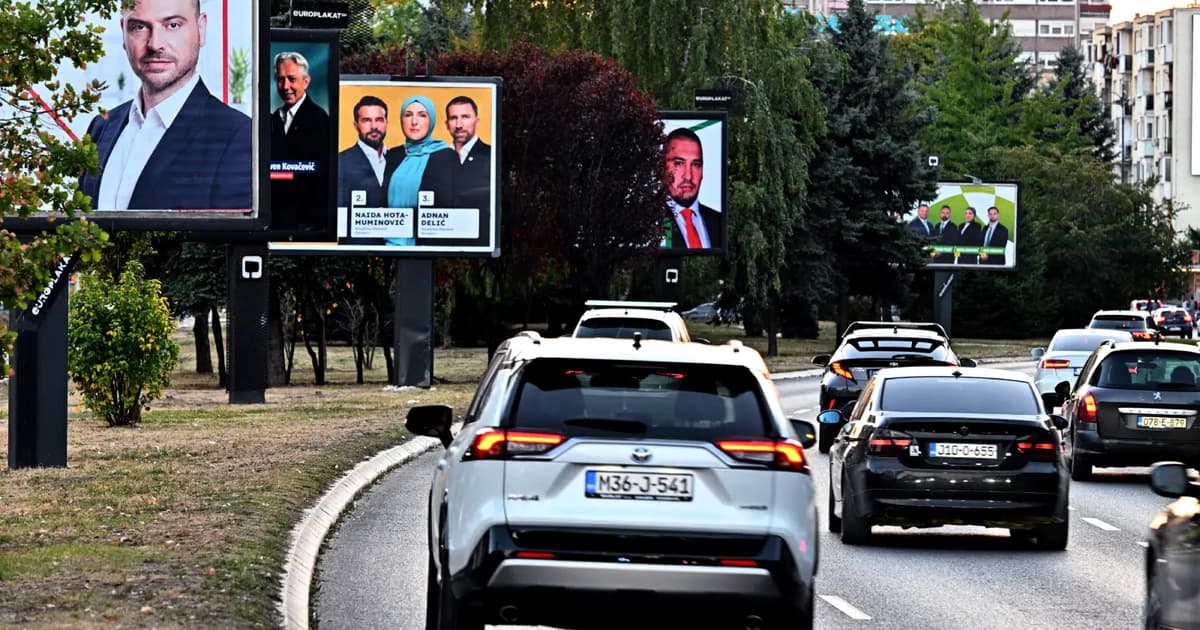
Bosnia and Herzegovina is conducting elections across its fragmented political structure, with voters selecting representatives at national, regional and local levels. The intricate system of governance was established as part of the Dayton Agreement that ended the country's devastating 1992-1995 war, creating a framework designed to balance the interests of its three main ethnic groups: Bosniaks, Serbs and Croats.
Campaigns have been dominated by issues rooted in the conflict's legacy, with political leaders frequently invoking wartime grievances and ethnic identities to mobilise supporters. The electoral process reflects Bosnia's ongoing struggle to move beyond the divisions that triggered one of Europe's bloodiest post-Cold War conflicts.
The multi-tiered voting structure remains contentious, with critics arguing it entrenches ethnic divisions while supporters contend it is essential for maintaining peace. Each major ethnic group has designated representation in key institutions, ensuring no single group can dominate decision-making.
The elections underscore Bosnia's complex path toward European integration, with the country seeking closer ties to the European Union while grappling with unresolved tensions from its past. International observers are monitoring the voting to assess the health of the nation's democratic institutions and social cohesion.