Politics · World News Bureau
Bosnia holds complex multi-tiered elections across fragmented government system
Bosnian voters navigated one of the world's most intricate electoral processes on election day, casting ballots for numerous officials across multiple layers of government. The Byzantine system reflects the country's post-war political structure designed to balance competing ethnic and regional interests.
LSN World News ·
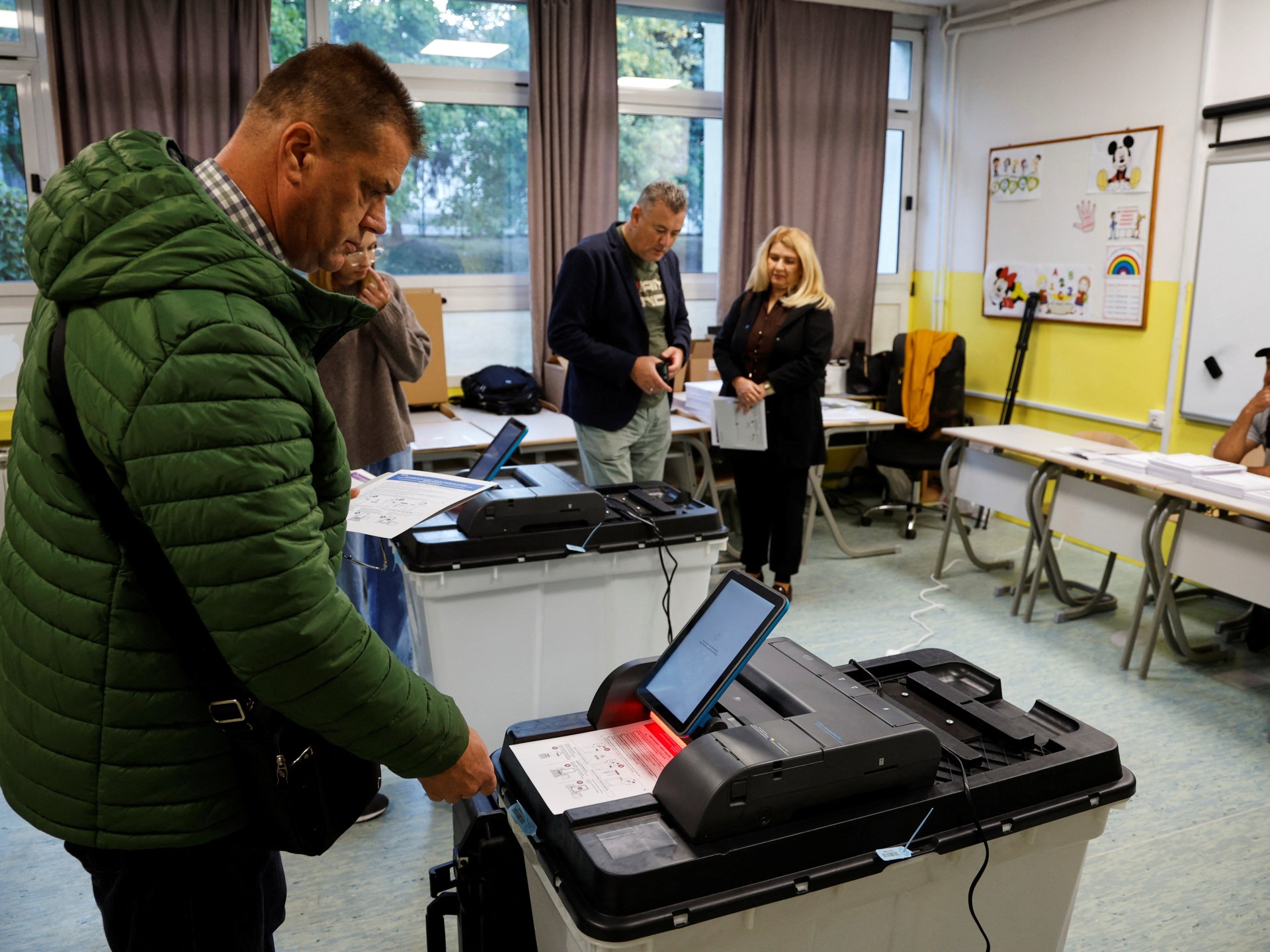
Bosnia's electorate faced an unusually demanding ballot as voters selected representatives and officials across federal, entity, cantonal and municipal levels simultaneously. The layered governance structure, which emerged from the 1995 Dayton Agreement ending the Bosnian war, requires citizens to cast votes for various positions across a fragmented administrative hierarchy.
The electoral complexity stems from constitutional arrangements that institutionalised power-sharing among the country's three main ethnic groups—Bosniaks, Serbs and Croats. This architecture, while designed to prevent majoritarian dominance, has created a Byzantine bureaucratic system requiring voters to make selections across numerous ballots and constituencies.
The simultaneous elections tested voter engagement and logistical capacity across the country. Poll workers managed the distribution of multiple ballot types while ensuring accurate tallying across the intricate system of overlapping jurisdictions and constituencies that characterise Bosnia's unique political framework.
The electoral process underscores the ongoing tensions between Bosnia's desire for simplified, efficient governance and constitutional imperatives rooted in post-conflict reconciliation efforts. The system remains one of the world's most demanding from a voter perspective, requiring citizens to navigate competing institutional structures and multiple decision points in a single election day.