Politics · World News Bureau
Bosnia's October election set to test fragile political balance
Bosnian voters will head to the polls on October 4 to elect new leadership in a ballot seen as crucial for the country's political stability and European integration prospects.
LSN World News ·
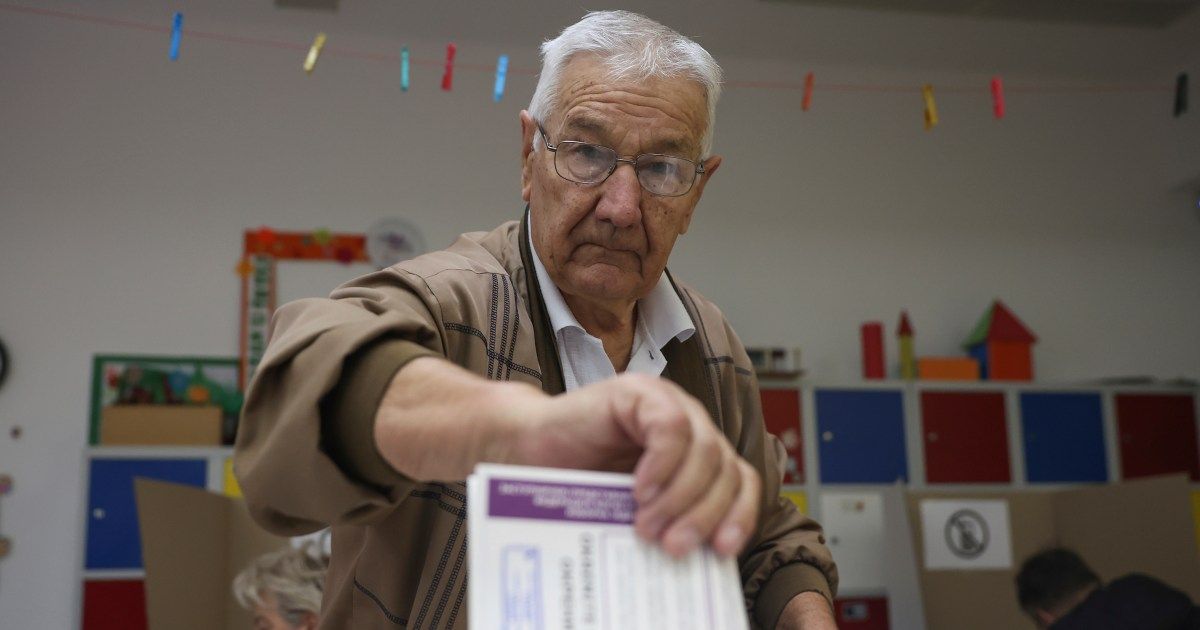
Bosnia and Herzegovina faces a pivotal electoral moment as citizens prepare to cast votes in general elections scheduled for early October. The ballot will determine representation across the country's complex multi-level government structure, which remains shaped by the 1995 Dayton Agreement that ended the Bosnian war.
The election will see competitions for seats in both the national parliament and the three-member rotating presidency, a distinctive arrangement that reflects the constitutional settlement between Bosnia's major ethnic groups: Bosniaks, Serbs, and Croats. Regional assemblies and cantonal governments will also be contested, making the electoral exercise one of the most comprehensive civic participation events in the country's post-war history.
Key issues dominating the campaign include economic stagnation, migration pressures, and the pace of European Union integration. Voter turnout and the performance of pro-European reform-minded candidates are being closely watched by international observers as indicators of the nation's trajectory.
The outcome is expected to shape Bosnia's policy direction on critical matters including judicial independence, anticorruption efforts, and regional relations. Political analysts view the election as a test of whether voters will endorse candidates committed to strengthening institutions or those advocating more nationalist agendas.