Culture & Entertainment · World News Bureau
Brand conviction sparks reckoning over media's role in celebrity culture
British comedian Russell Brand's rape conviction has prompted soul-searching within media organizations about their responsibility in elevating controversial public figures. The case raises broader questions about how entertainment outlets balance commercial interests with ethical journalism.
LSN World News ·
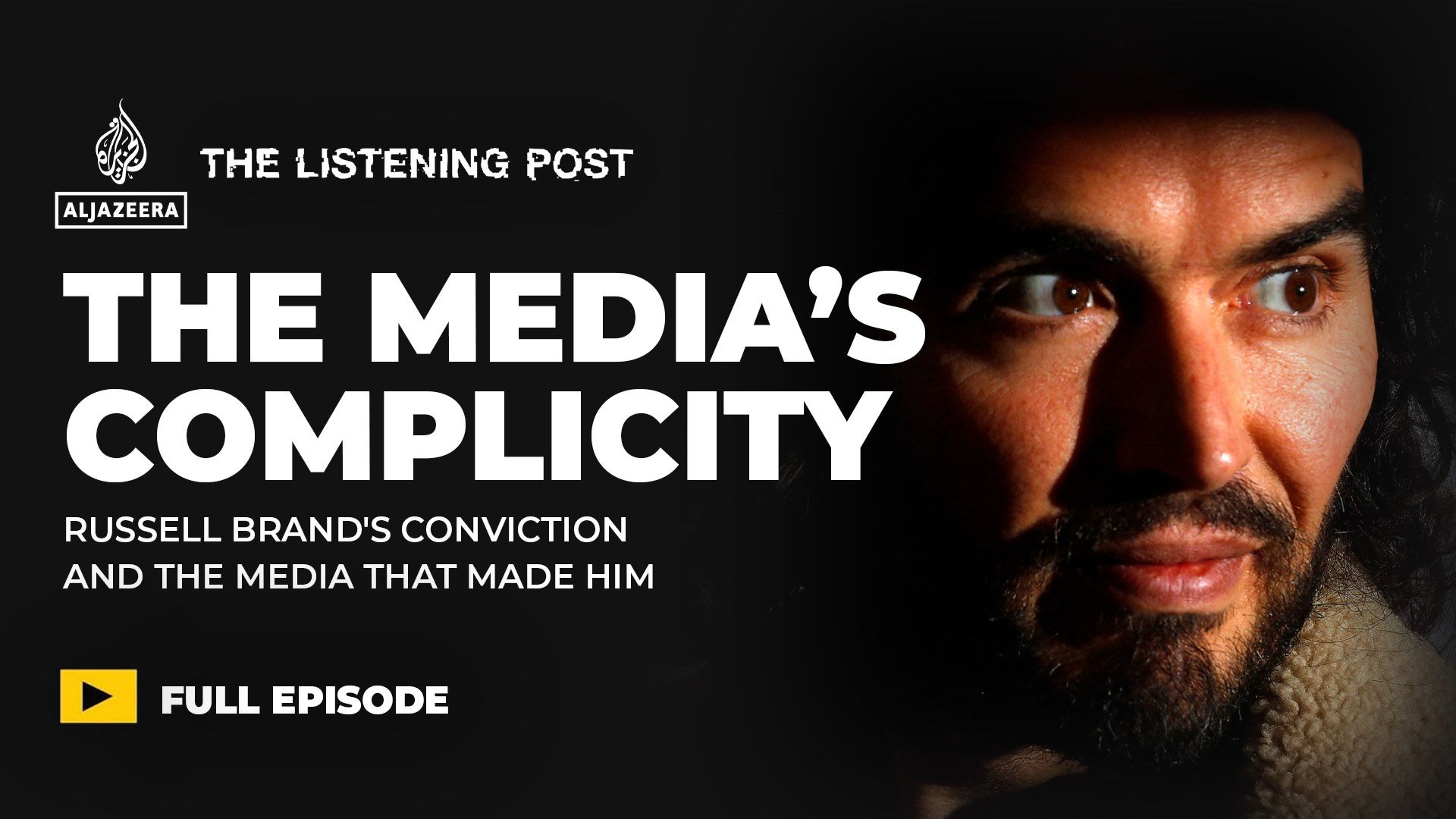
The conviction of Russell Brand on rape charges has triggered widespread examination of the media's complicity in maintaining the platform of a figure whose behavior had drawn previous scrutiny. Brand, known for his work as a comedian and actor, maintained visibility across entertainment, social media, and commentary spheres despite accumulating allegations and controversies over his career.
Media outlets that had regularly featured Brand—through interviews, appearances, and content distribution—now face criticism for their role in sustaining his prominence and reach. The case underscores tensions within entertainment journalism between pursuing ratings and engagement through provocative personalities and exercising editorial judgment regarding conduct and credibility.
Industry observers point to the case as emblematic of broader structural issues in contemporary media, where commercial incentives often override ethical considerations. The conviction has prompted various platforms and organizations to reassess their editorial policies and vetting procedures for public figures featured in their content.
The incident reflects growing pressure on media institutions to demonstrate accountability and responsibility in determining which personalities receive airtime and promotion. As outlets navigate the aftermath, questions persist about how entertainment media can better balance transparency with editorial discretion in an increasingly scrutinized media landscape.