Politics · Singapore Bureau
Brazil closes COP30 presidency with deforestation, fossil fuel plans
Brazil is concluding its year-long leadership of UN climate negotiations with detailed roadmaps designed to combat forest loss and accelerate the global transition away from fossil fuels. The initiatives aim to translate international climate commitments into concrete action.
LSN Singapore ·
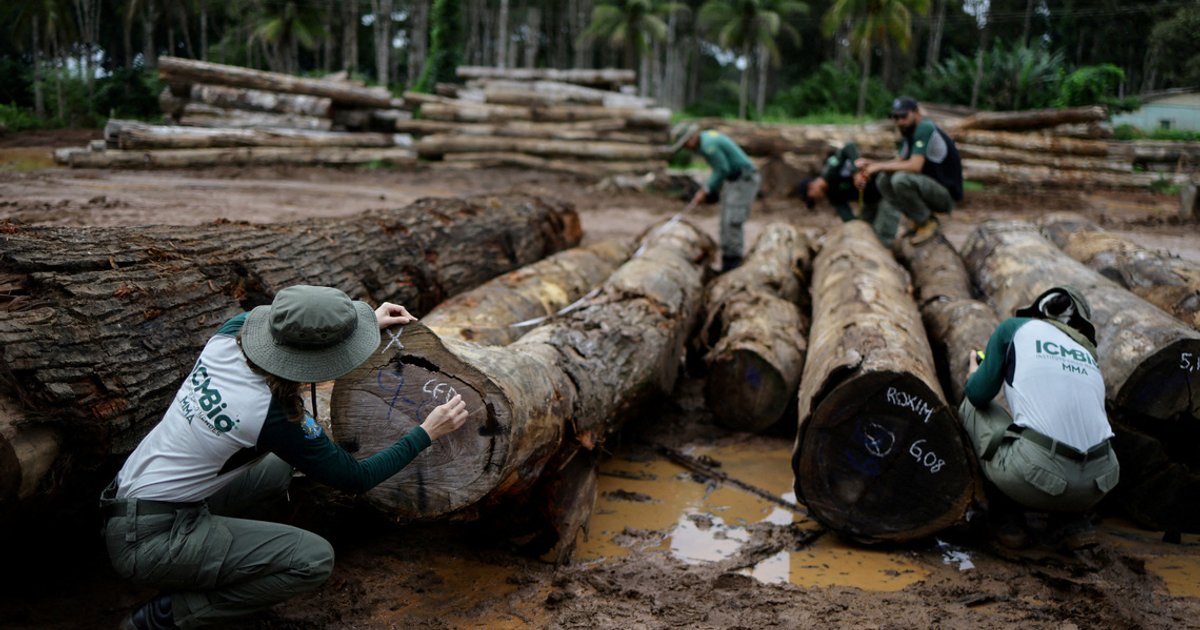
Brazil wrapped up its presidency of the UN climate process on November 3 by unveiling strategic frameworks to address two critical areas of global emissions reduction: deforestation and fossil fuel dependency. The roadmaps represent the country's effort to bridge the gap between climate pledges made in previous agreements and their actual implementation by nations worldwide.
The deforestation roadmap underscores Brazil's commitment to protecting its forests, particularly the Amazon, which plays a crucial role in regulating global climate patterns. By providing a structured approach to forest conservation, the framework aims to help participating nations develop targeted strategies for reducing tree loss and strengthening environmental protections.
Simultaneously, the fossil fuel roadmap charts a pathway for accelerating the global energy transition. The initiative provides guidance for governments seeking to reduce their reliance on oil, coal, and natural gas while transitioning to renewable energy sources, addressing a key driver of climate change.
Brazil's leadership during its COP presidency has emphasized the need to move beyond policy discussions to measurable outcomes. By establishing these detailed roadmaps, the country hopes to provide practical tools that enable governments to fulfill climate commitments made under the Paris Agreement and other international accords, transforming diplomatic pledges into tangible environmental progress.